Chocolate Souffle: a Classic French Dessert
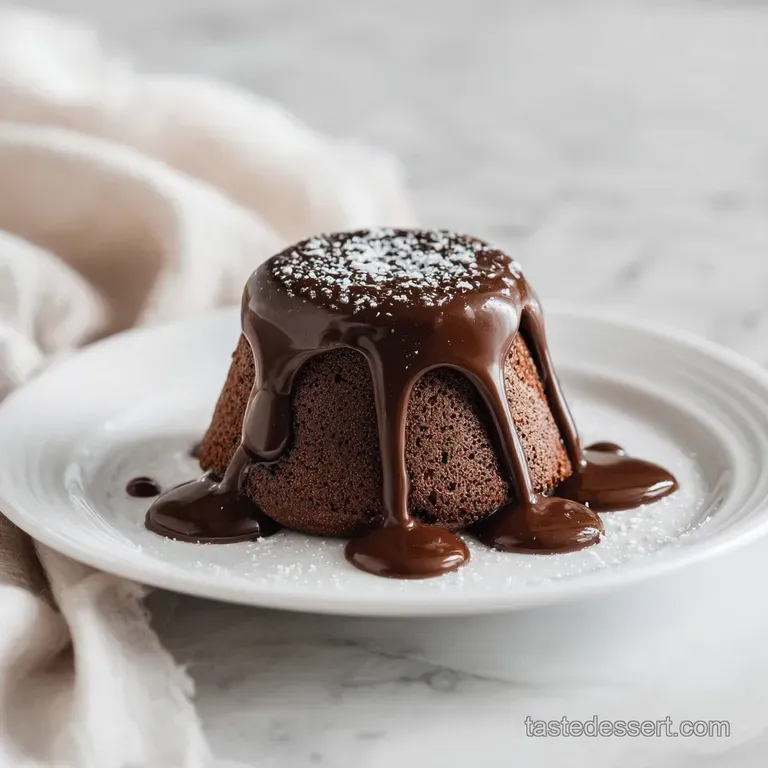
- Time: Active 20 minutes, Passive 12 minutes, Total 32 minutes
- Flavor/Texture Hook: Intense bittersweet chocolate with a cloud like, airy crumb
- Perfect for: Anniversary dinners, Valentine's Day, or a sophisticated weekend treat
- Master the Structural Secrets of a Chocolate Souffle
- Why This Specific Method Ensures a Perfect Rise
- Analyzing the Core Components
- Selecting Your Chocolate Souffle Elements
- Essential Tools for the Ascent
- Steps to Bake Your Chocolate Souffle
- Fixing Your Chocolate Souffle Mistakes
- Troubleshooting Common Issues
- Scaling the Recipe for Guests
- Debunking Souffle Myths
- Storage and Reducing Kitchen Waste
- What to Serve with Your Souffle
- Recipe FAQs
- 📝 Recipe Card
Master the Structural Secrets of a Chocolate Souffle
The first time I attempted this, I ended up with a sad, grainy puddle that looked more like a deflated pancake than a French masterpiece. I had over beaten the egg whites until they looked like dry clumps of wool, and the moment they hit the heavy chocolate, the whole thing collapsed into a dense mess.
It was frustrating because I wanted that iconic "shatter" of the sugar crusted rim and the velvety interior that people always talk about. After experimenting with dozens of ramekins and enough egg shells to fill a bucket, I realized it isn't about luck or a magic oven.
It is about the physical structure of the air you trap in those whites and the "ladder" you build on the side of the ramekin.
This recipe is designed to fix the common disaster of the "souffle crater." We are going to focus on the stability of the meringue and the specific way you prep the dish. If your souffle has ever come out lopsided or refused to rise past the rim, you likely skipped the "thumb track" method or used the wrong whisking speed.
We are going to change that today. You don't need a professional pastry degree; you just need to understand how these few simple ingredients interact under heat. By the time we are done, you'll be pulling a towering, jiggling masterpiece out of the oven that will make your kitchen feel like a high end bistro.
The beauty of a Chocolate Souffle is that it looks incredibly complex but actually relies on basic pantry staples. The magic happens in the technique. We are going to ensure the chocolate is the right temperature so it doesn't cook the yolk instantly, and we are going to fold with a gentle hand to keep every single air bubble intact.
This is the fix for everyone who has ever feared the "deflated" reputation of this dish. It's time to stop worrying and start whisking, because once you see that first successful rise, you'll be hooked on the process forever.
Why This Specific Method Ensures a Perfect Rise
- Mechanical Aeration: Whisking egg whites creates a web of denatured proteins that trap air bubbles, providing the physical "lift" as the air expands in the oven.
- Sugar Stabilization: Adding superfine sugar to the whites creates a viscous syrup that coats the air bubbles, preventing them from popping or "weeping" before the heat sets the structure.
- Friction Reduction: Coating the ramekin with vertical butter strokes and sugar acts like a greased ladder, allowing the batter to slide upward without snagging on the ceramic walls.
- The Acid Barrier: Cream of tartar lowers the pH of the egg whites, which helps the protein bonds stay flexible rather than becoming brittle and dry.
| Thickness of Base | Internal Consistency | Rest Time | Visual Finished Cue |
|---|---|---|---|
| Thin/Runny | Molten & Liquid | 0 mins | Risen 1 inch above rim |
| Thick/Pudding | Soft & Velvety | 1 min | Risen 2 inches, stable top |
| Dense/Heavy | Cake like & Firm | 2 mins | Cracked top, no jiggle |
Choosing the right moment to pull these from the heat is the difference between a liquid center and a spongy cake. I prefer the "Soft & Velvety" stage, where the edges are set but the very middle still has a playful wobble when you tap the ramekin.
This ensures that when you plunge your spoon through the top, you hit a section that is almost like a warm, airy chocolate mousse.
If you are worried about the timing, remember that the heat continues to move through the center for about 60 seconds after you open the oven door. Because we are working with such small volumes (just two servings!), every minute counts.
This is why we use 6 ounce ramekins; they are small enough to cook through quickly but large enough to hold a significant amount of air.
Analyzing the Core Components
| Component | Role in the Dish | Pro Secret |
|---|---|---|
| Bittersweet Chocolate | Provides the structural "backbone" and deep flavor profile. | Chop it very finely so it melts instantly without needing excessive heat. |
| Egg Whites | The primary leavening agent responsible for the vertical expansion. | Use room temperature whites; they reach maximum volume much faster than cold ones. |
| Cream of Tartar | Acts as a stabilizer for the delicate protein foam. | If you don't have it, a tiny drop of lemon juice does the same job. |
| Granulated Sugar | Creates the "ladder" on the ramekin walls and sweetens the base. | Don't skip tapping out the excess; too much sugar can weigh down the edges. |
When you are choosing your chocolate, look for something with a 60% to 70% cacao range. Anything higher can make the base too thick and difficult to fold, while anything lower might be too sweet. For a similar depth of flavor in larger cakes, you might recognize these notes in a German Chocolate Cake, but here, the chocolate is the undisputed star without the distraction of coconut or pecans.
The interaction between the fats in the butter and the proteins in the egg is a delicate balance. If even a speck of yolk gets into your whites, the fat will prevent the proteins from bonding, and you'll never get those stiff peaks. I always crack my eggs into a separate bowl first to ensure a clean break.
It is a small step that saves a lot of heartache.
Selecting Your Chocolate Souffle Elements
To get started, gather these specific items. Precision is your best friend in pastry work, so I highly recommend using a kitchen scale for the gram measurements rather than relying on volume alone.
- 15g unsalted butter, softened: This is for coating the ramekins. Why this? It creates the essential non stick surface for the rise.
- 25g granulated sugar: Used to coat the buttered ramekins. Why this? The crystals provide grip for the batter to climb.
- 60g high-quality bittersweet chocolate: Finely chopped for easy melting. Why this? Higher cacao provides better structure and less sugar.
- 15g unsalted butter, cubed: Added to the chocolate base. Why this? Adds fat for a silky, smooth mouthfeel.
- 0.5 tsp pure vanilla extract: For aromatic depth. Why this? Enhances the natural floral notes of the cacao.
- 1 pinch fine sea salt: To balance the sweetness. Why this? Salt makes the chocolate flavor "pop" on the tongue.
- 1 large egg yolk: At room temperature. Why this? Emulsifies the chocolate and butter into a smooth base.
- 2 large egg whites: At room temperature. Why this? The engine of the souffle's height.
- 0.125 tsp cream of tartar: For meringue stability. Why this? Prevents the egg whites from over expanding and collapsing.
- 25g superfine sugar: For the meringue. Why this? Dissolves faster than regular sugar, creating a smoother foam.
| Original Ingredient | Substitute | Why It Works |
|---|---|---|
| Bittersweet Chocolate | Semi sweet Chocolate | Slightly sweeter result; reduces the need for extra sugar. |
| Cream of Tartar | Lemon Juice (equal amt) | Acid stabilizes the proteins similarly to prevent weeping. |
| Superfine Sugar | Regular Granulated Sugar | Works fine, but you must whisk longer to dissolve crystals. |
| Softened Butter | Cooking Spray | Faster, but provides less "grip" for the rise than sugar on-butter. |
Using room temperature eggs is one of those tiny details that people often ignore, but it truly matters. Cold egg whites are "tight" and take much longer to aerate. By letting them sit on the counter for 30 minutes, you allow the proteins to relax, meaning you'll get a more stable, voluminous foam with much less effort.
I've tried using Dutch processed cocoa powder in place of the chocolate before, but the result is always too dry. The cocoa butter in actual bar chocolate provides a luxurious fat content that mimics the texture of Homemade Dark Chocolate Truffles. Stick to the bar chocolate for the best melt in-your mouth experience.
Essential Tools for the Ascent
While you don't need a kitchen full of gadgets, a few specific items will make your life much easier. First and foremost, you need two 6 ounce ceramic ramekins. These are the standard size for a dual serving dessert.
You'll also want a small pastry brush the silicone ones are okay, but a traditional natural bristle brush gives you much better control over those vertical butter strokes.
A clean, metal or glass mixing bowl is vital for the egg whites. Plastic bowls tend to hold onto microscopic traces of oil even after washing, which can sabotage your meringue. I also recommend a high-quality balloon whisk or a hand mixer. If you're whisking by hand, be prepared for a bit of a workout!
Finally, a small rubber spatula is the only tool for the "folding" phase; it allows you to scrape the bottom of the bowl without crushing the air you've worked so hard to incorporate.
Steps to Bake Your Chocolate Souffle
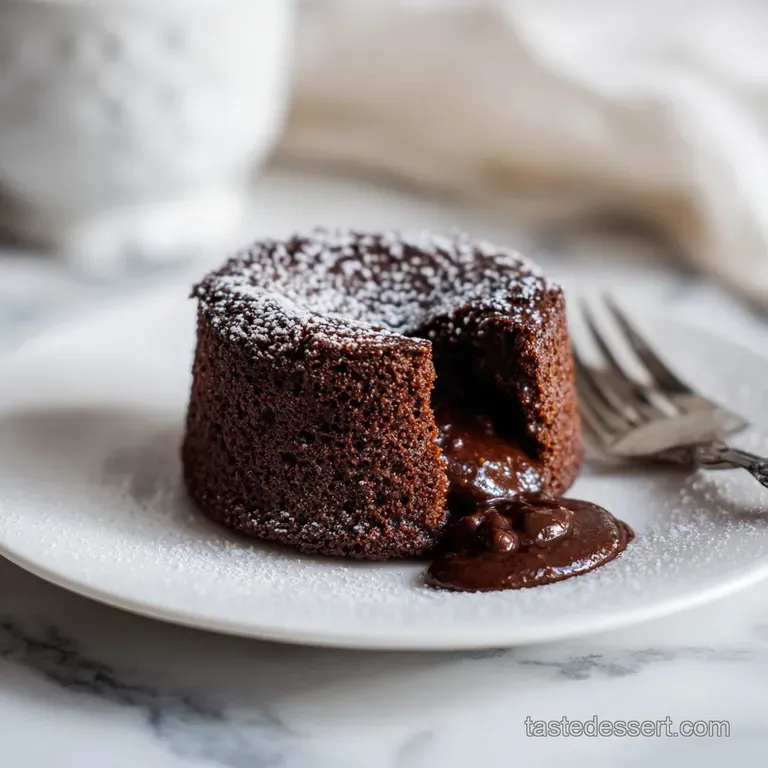
Phase 1: Prepping the "Ladder"
- Preheat your oven to 375°F (190°C). Use a pastry brush to coat the inside of two 6 ounce ramekins with 15g of softened butter using vertical upward strokes. Note: Vertical strokes are the secret to guiding the souffle straight up.
- Pour 25g granulated sugar into the ramekins, rotate to cover the buttered surface completely, and tap out the excess sugar.
Phase 2: Building the Rich Chocolate Foundation
- In a double boiler over simmering water, melt the 60g chopped chocolate and 15g cubed butter until smooth and glossy.
- Remove the chocolate mixture from heat. Stir in the vanilla extract, sea salt, and the single egg yolk until fully incorporated.
Phase 3: Creating the Lift
- In a clean bowl, whisk the 2 egg whites and cream of tartar until soft peaks form. Gradually add 25g superfine sugar while whisking until stiff, glossy peaks form. Note: "Stiff peaks" should stand straight up when you lift the whisk.
Phase 4: The Delicate Fold
- Gently fold one third of the egg whites into the chocolate base to lighten the texture.
- Carefully fold in the remaining egg whites using a silicone spatula until no white streaks remain, being careful not to deflate the air bubbles.
Phase 5: The Final Ascent
- Divide the batter between the prepared ramekins. Run a thumb around the inside rim of each dish to create a 'channel' for a straight rise.
- Bake for 12 minutes until the souffles have risen significantly above the rim but still have a slight jiggle in the center. Serve immediately.
Chef's Tip: When folding, use a "cut and turn" motion. Cut through the center of the whites with your spatula, scrape the bottom, and fold the chocolate over the top. Rotate the bowl as you go.
Fixing Your Chocolate Souffle Mistakes
Troubleshooting Common Issues
| Issue | Solution |
|---|---|
| Why Your Souffle Didn't Rise | If your souffle stays flush with the rim or looks like a flat brownie, the culprit is usually the meringue or the ramekin prep. If the whites were under beaten, they won't have the structural strength |
| Why Your Souffle Collapsed Instantly | All souffles will eventually sink that's just physics. As the air inside cools, it contracts. However, if it falls the second you pull it out, it was likely underbaked. The protein structure hadn't qu |
| Why the Texture is Grainy | Grainy chocolate usually happens because of "seizing." This occurs if even a drop of water gets into the melting chocolate or if the chocolate is overheated. Always use a low simmer for your double bo |
Scaling the Recipe for Guests
If you are hosting a dinner party and need to scale this up for four or six people, the math is relatively straightforward, but the technique requires a bit more care. For a double batch (4 servings), you can simply double all the ingredients.
However, when whisking four egg whites instead of two, it will take significantly longer to reach stiff peaks. I recommend using a stand mixer for anything more than two servings to avoid arm fatigue.
When scaling up, do not double the salt or vanilla extract exactly; use about 1.5x the amount to avoid overwhelming the delicate balance. If you are baking four at once, ensure there is at least two inches of space between each ramekin in the oven.
Crowding them will create cold spots in the air circulation, leading to an uneven rise. For large groups, you can prepare the ramekins and the chocolate base up to two hours in advance, but only whisk and fold the egg whites the moment you are ready to bake.
Debunking Souffle Myths
One of the biggest myths is that you cannot open the oven door at all. While you shouldn't be swinging it open every two minutes, a quick peek at the 10 minute mark to check the height won't destroy your dessert. The structure is more resilient than people think, provided the meringue was well made.
Another misconception is that you need a "souffle dish" with pleated sides. Standard smooth sided ramekins actually work better because there's less surface area for the batter to stick to.
There is also a common belief that the souffle must be served within seconds or it's a failure. While the "wow factor" is definitely higher when it's tall, a slightly sunken souffle still tastes like a cloud of chocolate. Don't stress the presentation so much that you forget to enjoy the flavor!
Storage and Reducing Kitchen Waste
Souffles are notoriously "live" desserts, meaning they are best enjoyed the second they leave the heat. However, if you have leftovers, don't throw them away. You can store them in the fridge for up to 24 hours.
The texture will change from a cloud to a dense, fudgy pot de crème, which is honestly a delightful snack in its own right. I don't recommend freezing the baked souffle, as the ice crystals will destroy the delicate crumb.
To reduce waste, think about the leftover egg yolks if you are making a larger batch. This recipe uses one yolk for two whites, leaving you with an extra yolk. Use those yolks for a quick lemon curd or save them to brush over pastry.
If you have extra chocolate base that didn't make it into a ramekin, let it firm up in the fridge and roll it into small truffles later.
What to Serve with Your Souffle
Because this dish is so rich and intense, it benefits from a contrasting accompaniment. A light dusting of powdered sugar is classic, but a dollop of cold, unsweetened whipped cream or a pour of crème anglaise can help cut through the density of the chocolate.
If you want a bit of acidity, fresh raspberries or a quick coulis provides a tart brightness that balances the bittersweet notes perfectly.
- If you want a classic look, stick to a simple dusting of powdered sugar.
- If you want a temperature contrast, serve with a small scoop of high-quality vanilla bean ice cream.
- If you want a "molten" experience, use a spoon to crack the top and pour in a tablespoon of heavy cream right before eating.
This dessert is all about the drama of the moment. Whether you are celebrating a big milestone or just making a Tuesday night special, the Chocolate Souffle is the ultimate way to show off your kitchen skills while delivering a truly decadent treat.
Keep your whites stiff, your folding gentle, and your oven hot you’ve got this!
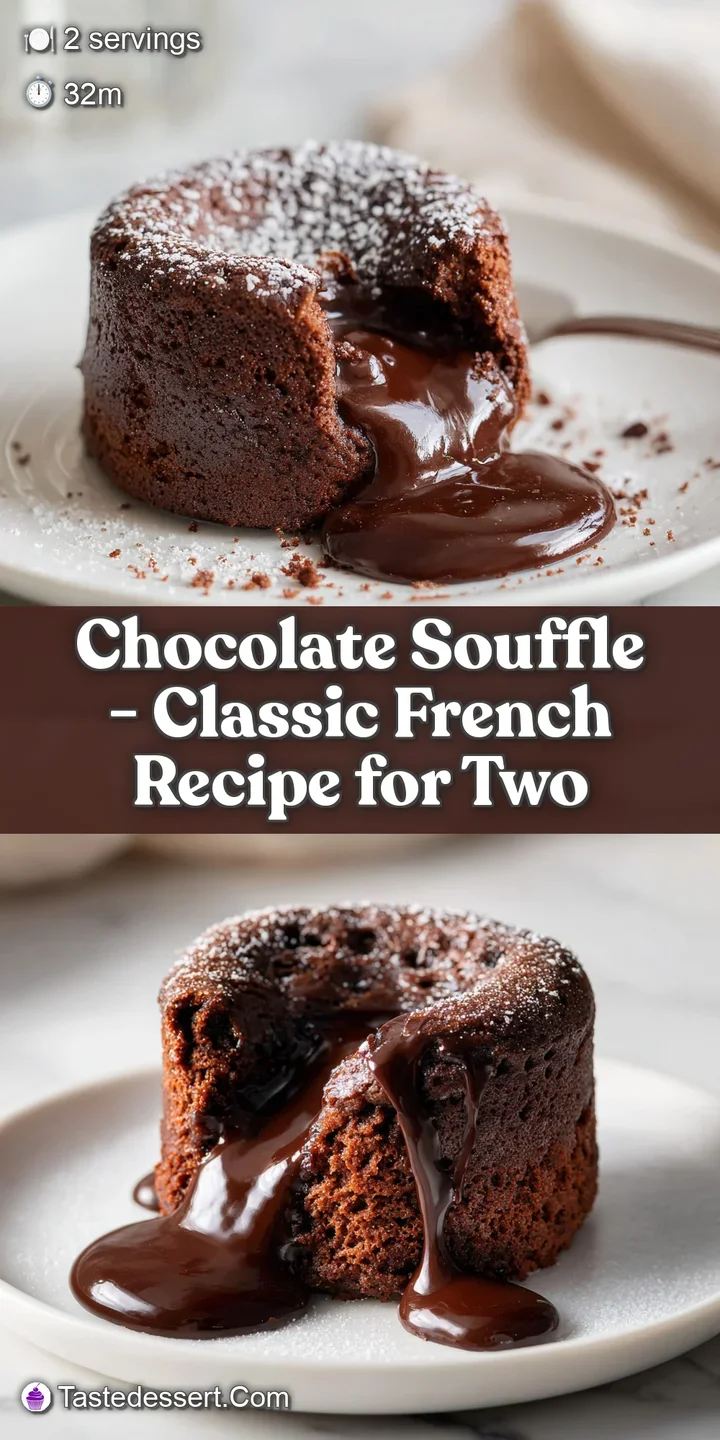
Recipe FAQs
What is a chocolate soufflé made of?
It relies on a base of melted bittersweet chocolate, butter, egg yolk, and vanilla, stabilized by a meringue of stiffly beaten egg whites and superfine sugar. The ramekins are prepared using a specific coating of butter and granulated sugar to facilitate a vertical rise.
Why is chocolate soufflé hard to make?
It requires precise structural integrity during the folding process. If you deflate the egg whites while mixing them into the chocolate base, the soufflé will fail to rise; if you enjoyed the delicate folding technique here, you might appreciate the precision required for our fudge brownie cupcakes.
What does soufflé taste like?
It tastes like a warm, airy, and intensely chocolatey cloud. The exterior has a slight, sugary crunch from the ramekin coating, while the center is delicate, light, and deeply molten.
Is soufflé just baked mousse?
No, they are distinct in structure and intent. While both use egg whites, a soufflé is chemically leavened by trapped air during baking, whereas mousse is a stabilized foam that relies on chilling to set its structure.
How to prevent the soufflé from collapsing immediately?
Bake the soufflé for the full 12 minutes until it has risen significantly above the rim. If it collapses the moment it leaves the oven, it was likely underbaked and the protein structure had not yet solidified enough to hold the air pockets.
How to ensure a straight, even rise?
Use vertical, upward brush strokes when applying butter to the ramekins. Running your thumb around the inside rim of the dish before baking to create a clean 'channel' also removes any batter that might catch and prevent a straight ascent.
How to store leftovers?
Place the cooled soufflés in the refrigerator for up to 24 hours. While they lose their airy lift, they transform into a dense, fudgy dessert that serves as an excellent snack.
Classic French Chocolate Souffle
Ingredients:
Instructions:
Nutrition Facts:
| Calories | 419 kcal |
|---|---|
| Protein | 7.1 g |
| Fat | 26.8 g |
| Carbs | 39.4 g |
| Fiber | 2.7 g |
| Sugar | 32.8 g |
| Sodium | 132 mg |
