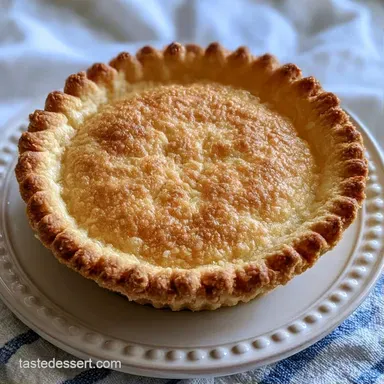
Homemade Flaky Pie Crust Dessert
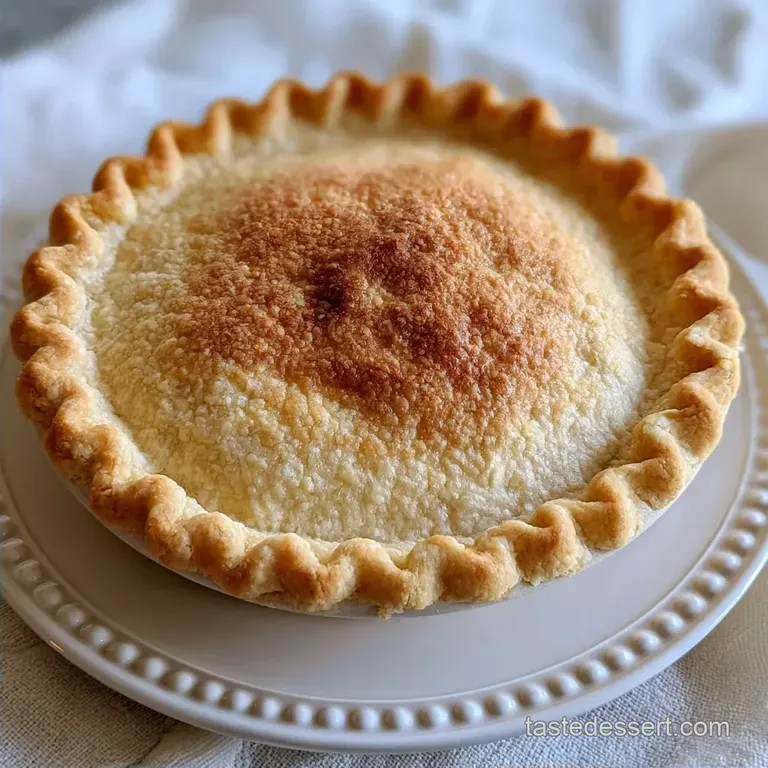
- Time:15 minutes active + 1 hour chilling
- Flavor/Texture Hook: Buttery, crisp, and shatteringly flaky
- Perfect for: Holiday dinner parties or a cozy Sunday bake
Listen for the clink of frozen butter cubes hitting the flour. That sound is where the magic happens. For a long time, I thought you needed a professional pastry degree or a fancy temperature controlled room to get those layers.
I used to think the "shortcut" refrigerated rolls were fine, but they're usually just bland and tough.
Making a Homemade Pie Crust Dessert is actually about one thing: temperature. If your butter melts before it hits the oven, you're just making a cookie. If you keep everything ice cold, you get those beautiful, distinct flakes that crackle when you bite into them.
This recipe focuses on a few simple movements. We aren't overworking the dough, and we aren't stressing over precision. It's about feeling the texture and knowing when to stop.
Making a Homemade Pie Crust Dessert
The trick is avoiding the "over mix." When you work the dough too much, you develop gluten, which turns a tender crust into a rubbery one. We want just enough structure to hold the filling, but enough fat to keep it delicate.
- Cold Butter
- Frozen cubes create tiny steam vents during baking, which lift the dough into layers.
- Ice Water
- Adding water one tablespoon at a time prevents the dough from becoming a sticky mess.
- Resting Time
- Chilling the dough lets the flour fully hydrate and the gluten relax.
| Method | Time | Texture | Best For |
|---|---|---|---|
| From Scratch | 1 hr 45 mins | Flaky & Buttery | Special occasions |
| store-bought | 5 mins | Dense & Uniform | Quick weeknight fixes |
Why Cold Fats Matter
The science here is simple. When frozen butter hits a hot oven, the water in the butter evaporates instantly. This creates a bubble of steam that pushes the layers of flour apart. If the butter is room temperature, it just blends into the flour, and you lose those flakes.
I once tried making a crust in a humid July kitchen without chilling my flour. The result was a greasy, flat disc that tasted okay but had zero crunch. Now, I always pop the flour in the freezer for 10 minutes. It's a tiny step that makes a huge difference.
The Ingredient Breakdown
| Ingredient | What It Does | Best Swap |
|---|---|---|
| All Purpose Flour | Provides structure | Pastry flour for more tenderness |
| Unsalted Butter | Adds flavor and flakiness | Vegetable shortening for more height |
| Granulated Sugar | Adds a hint of sweetness | Honey (reduces crispness) |
| Ice Water | Binds the ingredients | Apple cider for a fruity note |
Quick Guide to Specs
Right then, let's look at the numbers. This recipe makes one double crust pie (enough for a bottom and a top).
- Prep time: 15 minutes
- Cook time: 30 minutes
- Total time: 1 hours 45 mins
- Oven Temp: 200°C (400°F)
Chef: If you're doing a single crust, just halve the ingredients. But honestly, I usually make the full batch and freeze the extra disk for later.
Essential Kitchen Tools
You don't need a professional kitchen for this. A food processor is the easiest way to keep the butter cold since it minimizes hand contact. If you don't have one, a pastry cutter or two forks work fine. You'll also need a large mixing bowl, plastic wrap, and a rolling pin.
Step-by-step Baking
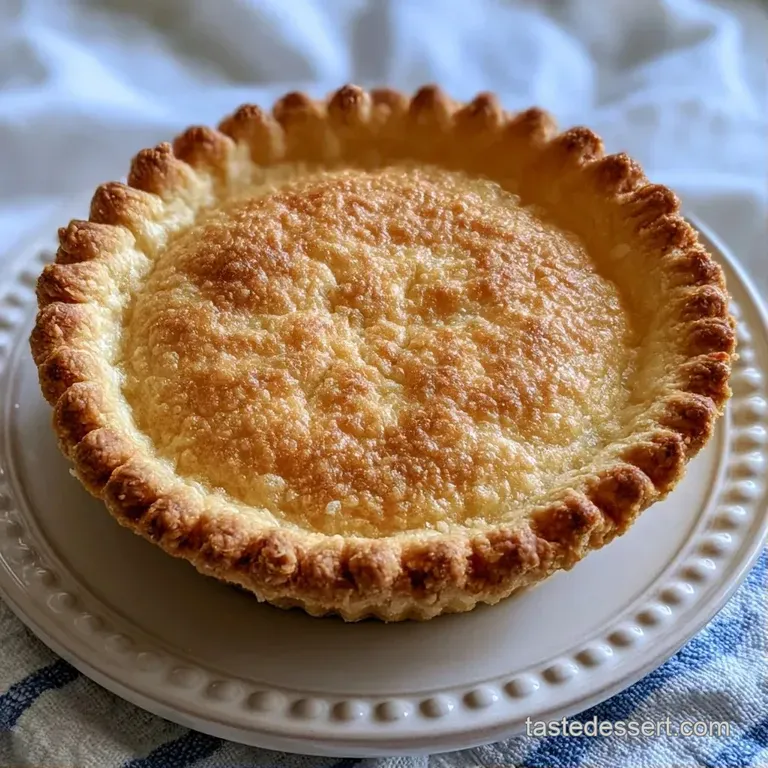
Let's crack on. Make sure your butter has been in the freezer for at least 15 minutes before you start.
- Chill the all purpose flour (310g) in the freezer for 10 minutes.
- Combine the chilled flour, sugar (12g), and salt (6g) in a food processor and pulse 3-5 times to mix.
- Add the frozen butter cubes (225g). Pulse in short 1 second bursts until the mixture looks like coarse crumbs with pea sized chunks remaining.
- Transfer the mixture to a large mixing bowl.
- Drizzle in ice water (60-120ml) 1 tablespoon at a time. Toss with a fork until the dough just begins to clump.
- Shape the dough into a disk. Wrap it tightly in plastic wrap and refrigerate for 1 hour.
- Roll out the chilled dough on a floured surface to your desired thickness.
- Bake for 30 minutes until the edges are golden brown and crisp.
Fixing Common Issues
Even experienced bakers hit a snag now and then. Usually, it comes down to moisture or heat.
Dough Too Crumbly
If the dough won't hold together when you press it, it's likely too dry. Add ice water one teaspoon at a time. Be careful not to overdo it, or you'll end up with a sticky paste.
Crust Shrank Down
Shrinkage happens when the gluten is too tight or the dough was too warm. Let the rolled dough rest in the pan for 15 minutes before baking to let the gluten relax.
Tough Final Crust
A hard crust usually means too much mixing. Use a fork or a pastry cutter to keep the butter chunks visible.
| Problem | Root Cause | Solution |
|---|---|---|
| Tough texture | Over mixing | Pulse less in the processor |
| Soggy bottom | Under baking | Bake on a lower rack |
| Cracking dough | Too cold/dry | Add 1 tsp ice water |
Scaling Your Batch
If you're making a smaller treat, you can halve the recipe. Use a smaller 6 inch pan and reduce the baking time by about 20%. If you're doubling it for a party, work in batches. Don't try to cram 500g of butter into a small food processor, or you'll just end up with a buttery paste.
For larger batches, only increase the salt and sugar by 1.5x instead of doubling them. Too much salt can interfere with the gluten structure, and too much sugar might make the edges burn before the middle is cooked.
Common Baking Myths
Some people say you must use a stand mixer for a professional result. That's actually wrong. A mixer can over work the dough too quickly. A food processor or your own hands are much better for controlling the butter size.
Another myth is that you should use warm water to help the flour "absorb" the liquid. Absolutely not. Warm water melts the butter, and the whole point of this Homemade Pie Crust Dessert is those cold fat pockets.
Keeping Your Crust Fresh
You can store the raw dough disk in the fridge for up to 48 hours. If you won't use it by then, wrap it in foil and toss it in the freezer for up to 3 months.
To reheat a pre baked crust, pop it in the oven at 180°C for 5 minutes. For zero waste, take those leftover dough scraps, roll them into small balls, sprinkle with cinnamon sugar, and bake them as "pie fries."
Great Pairings
This crust is versatile. While it's a staple for a blueberry pie, it also works as a base for tarts or galettes. If you want something truly decadent, serve a slice of your finished dessert alongside a scoop of chocolate ice cream cake for a massive flavor contrast.
Changing Your Ingredients
You can tweak this recipe to fit your needs, though the texture will change slightly.
| Original Ingredient | Substitute | Why It Works |
|---|---|---|
| Unsalted Butter | Vegetable Shortening | Higher melting point. Note: Less flavor, but more height |
| All Purpose Flour | gluten-free Blend | Use a 1:1 blend with xanthan gum. Note: More fragile |
| Granulated Sugar | Coconut Sugar | Similar sweetness. Note: Gives a deeper, caramel color |
Decision Shortcut:
- If you want more height → Use half butter, half shortening.
- If you want a nuttier taste → Replace 1/4 cup of flour with almond flour.
- If the dough is too sticky → Chill it for another 20 minutes.
Recipe FAQs
What is the easiest way to make pie crust?
Pulse frozen butter into chilled flour using a food processor. Use short 1-second bursts until the mixture looks like coarse crumbs with pea-sized chunks remaining.
Is it true that I can skip chilling the flour and butter?
No, this is a common misconception. Chilling the flour for 10 minutes and freezing the butter for 15 ensures the fat stays cold, which is essential for a flaky texture.
Why did my crust turn out tough instead of flaky?
You likely over-mixed the dough. Stop adding ice water the moment the dough begins to clump together to prevent excess gluten development.
How to prevent the crust from shrinking in the oven?
Refrigerate the shaped dough for at least one hour. This allows the flour to hydrate and the gluten to relax, keeping the edges stable during baking.
Can I use this crust for fruit pies?
Yes, it is a versatile base for sweet fillings. This recipe works perfectly for a classic peach pie or any other seasonal fruit dessert.
What should I do if the dough is too sticky to roll?
Chill the dough disk for another 30 minutes. If it remains sticky, lightly dust your work surface with more flour before rolling.
How to store leftover pie dough?
Wrap the dough tightly in plastic wrap and refrigerate. It stays fresh for up to three days or can be frozen for several weeks.
Flaky Homemade Pie Crust Dessert