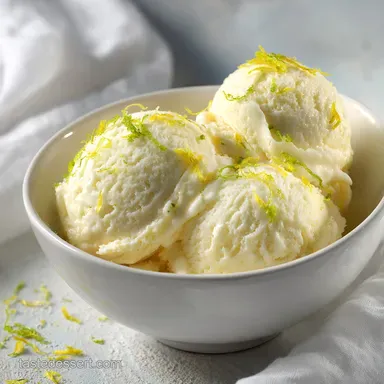
Lemon Curd Ice Cream: Silky and Tangy
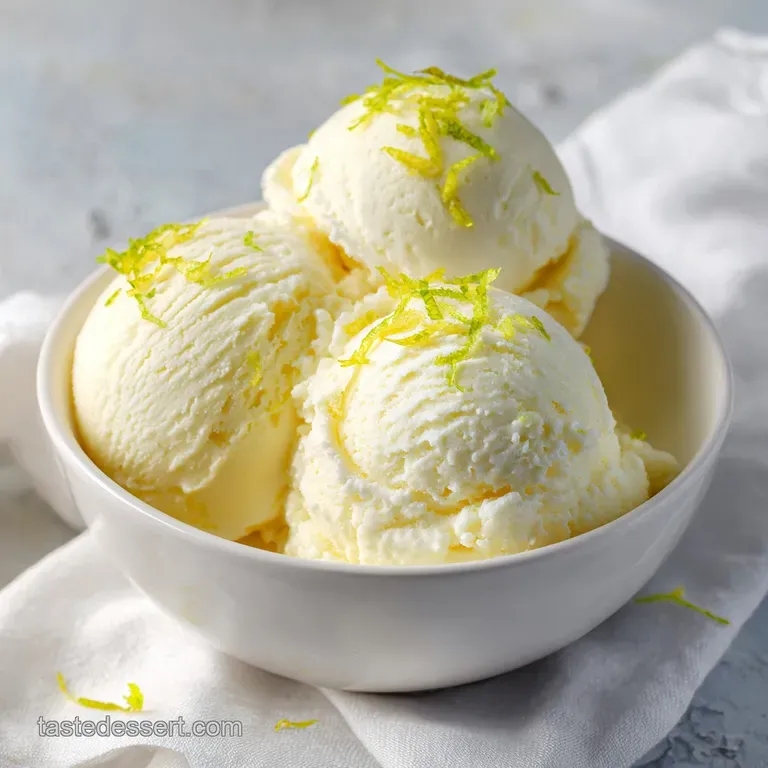
- Time: 30 min active + 4 hours 10 mins chilling/freezing = Total 4 hours 40 mins
- Flavor/Texture Hook: Tangy, silky ripples of curd in a cloud like cream
- Perfect for: Summer garden parties, fancy brunch desserts, or treating yourself after a long week
- Making the Best Lemon Curd Ice Cream
- The Secret to Texture
- Component Analysis
- Required Tools
- Ingredient Deep Dive
- Step by Step Method
- Fixing Common Issues
- Troubleshooting Common Issues
- Adjusting the Batch Size
- Debunking Freezer Myths
- Preservation Secrets
- Perfect Dessert Pairings
- Recipe FAQs
- 📝 Recipe Card
The second that fresh lemon zest hits the warm pan, the aroma just takes over the whole kitchen. It's that bright, zingy scent that makes you feel like you're on a porch in Italy during July. I remember the first time I tried to swirl curd into a base, and I didn't chill the curd enough.
It just melted into the cream, and I ended up with a pale yellow soup instead of those gorgeous, distinct ribbons of tartness.
That's why I'm so picky about the temperature here. This isn't just about mixing things together, it's about the contrast. You want the deep, rich sweetness of the condensed milk to hit your tongue first, followed by a sudden, sharp burst of lemon that cuts right through the fat.
It's a total rollercoaster for your taste buds.
We're going for a texture that's velvety and light, almost like a frozen mousse, but with the weight of a traditional churned dessert. This Lemon Curd Ice Cream isn't some industrial, overly sugary concoction. It's homemade, honest, and has a brightness that actually wakes you up.
Right then, let's get into how to actually make this happen without the "soup" disaster I had.
Making the Best Lemon Curd Ice Cream
When you're putting this together, the goal is a balance of extremes. We have the heavy whipping cream providing a plush, airy structure and the lemon curd providing a concentrated, zesty punch. If you've ever had a lemon dessert that tasted like soap, it's because the balance of acid and fat was off.
Here, the condensed milk acts as a stabilizer, making sure the citrus doesn't break the cream.
One thing I've learned is that the quality of your lemons is everything. Don't even bother with the bottled juice; it has a metallic aftertaste that ruins the velvetiness. Use organic lemons if you can, especially for the zest, since that's where the essential oils live.
Trust me on this, the effort of zesting by hand is worth every single second.
But what about the churning? Whether you have a high end machine or a basic one, the secret is in the timing. We aren't just mixing the curd in; we're creating ripples. This ensures that every scoop has a bit of that tart surprise. It's a decadent way to enjoy citrus without it feeling too heavy.
The Secret to Texture
I've always wondered why some home-made frozen treats get those annoying ice crystals. It usually comes down to how we handle the water content in the fruit. Since we're using a cooked curd instead of raw juice, we're essentially locking that flavor into a stable custard before it ever touches the cream.
Fat Stabilization: The butter in the curd and the fat in the heavy cream create a barrier that prevents large ice crystals from forming. This is why the texture stays silky rather than grainy.
Air Incorporation: Beating the cream to stiff peaks introduces tiny air bubbles. These bubbles act as insulators, making the scoop feel lighter and more velvety on the tongue.
Sugar Buffer: The sweetened condensed milk lowers the freezing point of the mixture. This means it stays scoopable even after a few hours in a deep freeze, according to the principles of freezing point depression often discussed by King Arthur Baking.
Acid Timing: Adding the lemon curd at the very end of the churn prevents the acid from breaking down the fat globules in the cream. If you add it too early, you lose that airy lift.
| Method | Time | Texture | Best For |
|---|---|---|---|
| Stovetop Curd | 10 mins | Glossy & Smooth | Quick prep and precision |
| Oven (Bain Marie) | 45 mins | Delicate & Soft | Large batches, lower risk of scorching |
Component Analysis
I like to think of this recipe in two phases: the "Zest" and the "Cloud". The zest is the engine that drives the flavor, and the cloud is the vehicle that delivers it.
| Ingredient | Science Role | Pro Secret |
|---|---|---|
| Egg Yolks | Thickening Agent | Strain them through a sieve for zero lumps |
| Heavy Cream | Structural Base | Use a chilled bowl for faster peaks |
| Condensed Milk | Sweetener & Stabilizer | Cold milk mixes more evenly into the cream |
| Lemon Juice | Acidic Brightener | Rub zest into sugar first to release oils |
Required Tools
You don't need a professional kitchen, but a few things make this way easier. A heavy bottomed saucepan is non negotiable for the curd, otherwise, the eggs will scramble the second they hit the bottom.
I also highly recommend a fine mesh strainer. Even if you think your curd is smooth, there are always tiny bits of cooked egg that can ruin that velvety mouthfeel. A handheld electric mixer or a stand mixer such as KitchenAid will save your arms when whipping the cream.
Finally,, make sure your freezer container is air tight. Any air getting in will lead to freezer burn, and nothing kills the vibe of a decadent dessert like ice crystals on top.
Ingredient Deep Dive
For the curd, we're using fresh lemon juice and zest. If you're feeling fancy, you can use a mix of Meyer lemons for a sweeter, more floral note.
For the zesty curd:
- 3/4 cup fresh lemon juiceWhy this? Natural acidity provides a sharp contrast to the cream
- 2 tbsp lemon zestWhy this? Contains essential oils for deep citrus aroma
- 3/4 cup granulated sugarWhy this? Balances the tartness of the juice
- 1/2 cup unsalted butter, cubedWhy this? Adds richness and a glossy finish
- 3 large eggsWhy this? Acts as the emulsifier for the custard
- 1/4 tsp saltWhy this? Enhances all the other flavors
For the creamy ice cream base:
- 2 cups heavy whipping creamWhy this? Essential for the airy, light structure
- 1 can (14 oz) sweetened condensed milkWhy this? Provides sweetness and prevents iciness
- 1 tsp vanilla extractWhy this? Rounds out the sharp citrus notes
- 1/2 tsp lemon extractWhy this? Boosts the lemon profile without adding more liquid
| Original Ingredient | Substitute | Why It Works |
|---|---|---|
| Heavy Cream (2 cups) | Full fat Coconut Milk (2 cups) | Similar fat content. Note: Adds a nutty, tropical flavor |
| Granulated Sugar | Honey (1/2 cup) | Natural sweetener. Note: Changes the color to a deeper gold |
| Unsalted Butter | Vegan Butter (1/2 cup) | Maintains richness. Note: Check for a neutral flavor |
Right then, before we start, here's a quick decision shortcut for you: - If you want a more tart dessert, increase the lemon zest by 1 tbsp. - If you prefer a sweeter treat, add an extra 2 tbsp of condensed milk. - If you're in a rush, use a high-quality homemade lemon curd from your freezer.
Step by step Method
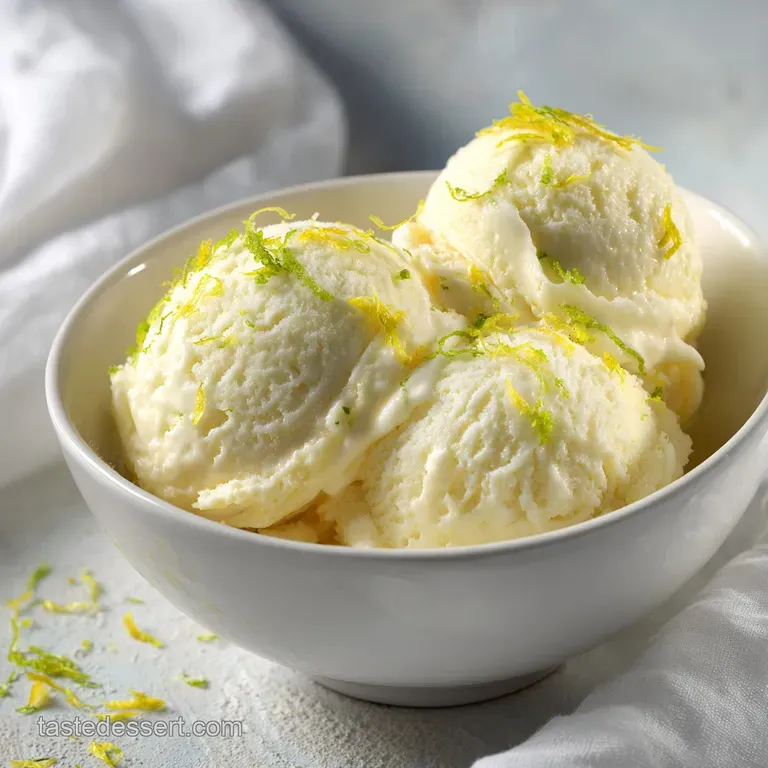
Let's crack on. Follow these steps closely, especially the temperature cues, to ensure your Lemon Curd Ice Cream stays velvety.
- Whisk the eggs, sugar, and lemon juice in a saucepan over medium low heat. Stir constantly until the mixture thickens into a glossy, pale yellow custard that coats the back of a spoon. Note: Don't let it boil or the eggs will curdle
- Remove the saucepan from heat and stir in the cubed butter one piece at a time until the texture is smooth and velvety.
- Strain the lemon curd through a fine mesh sieve to remove any egg bits and refrigerate for at least 2 hours. Note: The curd must be cold before adding to the cream
- In a large chilled bowl, beat the heavy whipping cream until stiff peaks form and hold their shape.
- In a separate bowl, stir together the sweetened condensed milk, vanilla extract, and lemon extract.
- Gently fold the whipped cream into the condensed milk mixture using a spatula, stirring slowly until no white streaks remain.
- Pour the base into an ice cream maker and churn according to the manufacturer's instructions.
- During the last 2 minutes of churning, drizzle in half of the chilled lemon curd. Note: Drizzling creates those beautiful ripples
- Transfer the ice cream to an air tight freezer container and freeze until set and firm.
Chef's Tip: To get those perfectly defined ripples, don't over mix the curd at the end. Just a few slow turns of the paddle is all you need. Also, try freezing your mixing bowl for 15 minutes before whipping the cream, it makes the process much faster.
Fixing Common Issues
Even for us obsessed cooks, things go sideways. The most common issue with this recipe is the texture of the base or the consistency of the curd.
Troubleshooting Common Issues
| Issue | Solution |
|---|---|
| Why Your Base Is Icy | This usually happens if the cream wasn't whipped enough or if the ice cream maker's bowl wasn't frozen solid. If the churn takes too long, the air bubbles collapse, and you get ice crystals. |
| Why Your Curd Separated | If you heat the curd too quickly, the butter can separate from the eggs. Use medium low heat and keep that whisk moving constantly. If it does separate, a quick blast with an immersion blender can usu |
| Why the Flavor Is Too Mild | This often happens if the lemon zest was added too late or if the lemons weren't very juicy. Ensure you rub the zest into the sugar at the start to release those oils. |
Common Mistakes Checklist:
- ✓ Did you strain the curd? (Crucial for smoothness)
- ✓ Is the curd completely chilled? (Prevents melting the cream)
- ✓ Did you fold the cream gently? (Maintains the air bubbles)
- ✓ Is the freezer container air tight? (Stops freezer burn)
- ✓ Did you use fresh lemons? (Bottled juice lacks the punch)
Adjusting the Batch Size
If you're making this for a small date night or a huge family reunion, you'll need to tweak the process.
Scaling Down (1/2 Batch): When halving the recipe, the eggs are the tricky part. Beat one egg in a small bowl and use half of it. Use a smaller saucepan for the curd, as too large a pan will cause the liquid to evaporate too quickly, making the custard too thick. Reduce the churning time by about 20%.
Scaling Up (2x Batch): When doubling, don't just double the salt and extracts, start at 1.5x and taste as you go. Work in batches when whipping the cream, as most home mixers can't handle 4 cups of heavy cream without splashing everywhere.
For the curd, use a larger pot but keep the heat low to ensure even cooking.
Debunking Freezer Myths
There's a lot of chatter about frozen desserts that isn't actually true. First, people think you need a professional compressor machine to get a velvety texture. Honestly, a simple bowl freeze machine works great as long as the bowl is frozen for 24 hours.
Another myth is that adding lemon juice directly to cream always causes curdling. While acid can break down proteins, the high sugar content in the condensed milk acts as a stabilizer, protecting the fat and keeping the mixture smooth.
Finally, some say you should stir the ice cream every hour while it freezes. This actually introduces more air and ice crystals, ruining the texture. Just leave it alone in an air tight container.
Preservation Secrets
To keep your Lemon Curd Ice Cream in top shape, store it in the back of the freezer, away from the door where the temperature fluctuates. It will stay velvety for about 2 weeks. After that, it's still safe to eat, but the flavor might start to dull.
If you find it's too hard to scoop, let it sit on the counter for 5 minutes. Don't microwave it, that will melt the ripples and ruin the contrast.
Zero Waste Tip: Don't throw away those lemon peels! You can toss them into a jar of vodka or gin for a few weeks to make a homemade citrus infusion. Alternatively, dry the peels in a low oven to create a zesty powder you can sprinkle on top of other desserts.
Perfect Dessert Pairings
Since this dish is so bright and decadent, it pairs beautifully with things that have a bit of crunch or a deep, earthy sweetness. I love serving a scoop of this alongside some lemon meringue pie for a total citrus explosion.
If you want something more contrasting, try topping it with crushed ginger snap cookies. The warmth of the ginger and the snap of the cookie create a wonderful contrast with the cold, velvety cream.
You could also drizzle a bit of dark chocolate over the top, the bitterness of the cocoa makes the lemon pop even more. For those who love a fruit twist, a few fresh raspberries or a slice of fresh mango on the side adds a lovely, natural sweetness.
Recipe FAQs
Can you make ice cream with lemon curd?
Yes, it adds a rich, tart swirl. Simply churn your base and drizzle the chilled curd in during the final two minutes of processing.
Is this ice cream suitable for diabetic patients?
No, this recipe is not suitable. It contains significant amounts of granulated sugar and sweetened condensed milk which can spike blood glucose levels.
Does lemon curd freeze well in ice cream?
Yes, provided the curd is fully chilled first. Adding cold curd prevents the ice cream base from melting and ensures distinct, velvety ribbons.
Does Walmart sell lemon curd?
Yes, they typically carry it in the baking or jam aisle. However, making it from scratch allows for a fresher, more vibrant lemon flavor.
Why is my lemon curd ice cream icy?
The cream likely wasn't whipped enough or the maker's bowl wasn't frozen solid. If the churn takes too long, air bubbles collapse and form ice crystals.
How to fix lemon curd that has separated?
Use an immersion blender for a quick blast. This re-emulsifies the butter and eggs. If you enjoyed managing the custard texture here, apply those same filling techniques to our Southern Pecan Pie.
How to prevent the curd from curdling during heating?
Maintain medium-low heat and stir constantly. Never let the mixture boil, as excessive heat will scramble the eggs.
Lemon Curd Ice Cream: Silky and Creamy