Easy Lemon Shortbread Cookies: Buttery and Crisp
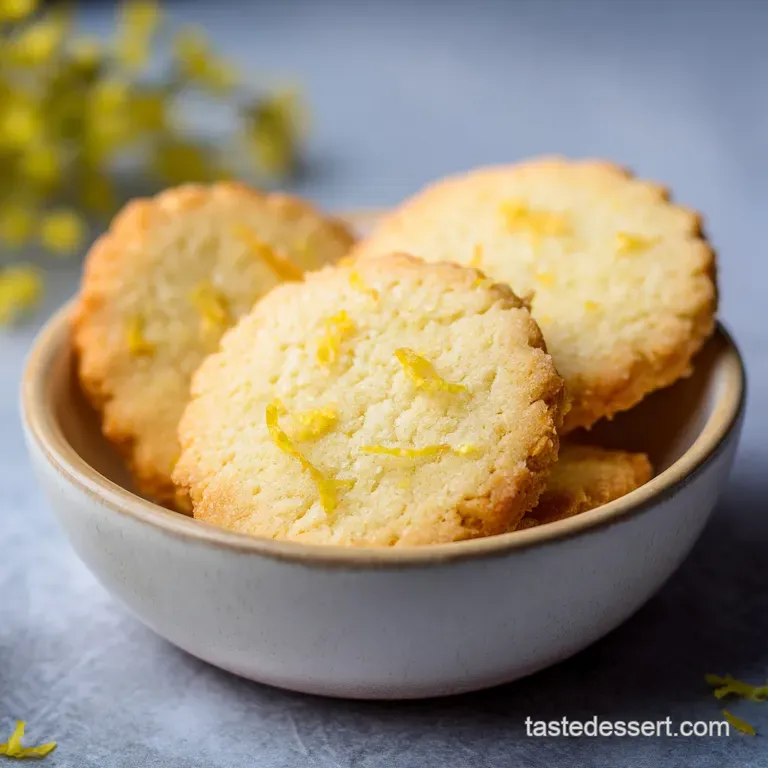
- Time:20 minutes active + 30 minutes chilling = Total 65 minutes
- Flavor/Texture Hook: A buttery, shatter crisp snap with a velvety lemon glaze
- Perfect for: Afternoon tea, bridal showers, or a sunny weekend treat
Lemon Shortbread Cookies
That first scent hits you the second the lemon zest hits the sugar. I remember a rainy Tuesday last April when I was feeling completely drained, so I decided to make a batch of these just to brighten up the kitchen.
The smell of those lemon oils waking up under my fingertips was enough to shift my entire mood before the oven even preheated.
There is something about the way the citrus cuts through the heavy butter that makes these feel lighter than your average shortbread. When they finally come out of the oven, they don't just smell like cookies, they smell like a Mediterranean garden in mid July.
I've spent a lot of time tweaking the ratio of juice to powdered sugar in the glaze, and I've finally found the balance that gives you a sharp tang without making the cookie soggy.
You can expect a treat that has a distinct, clean snap when you bite into it, followed by a melt in-your mouth richness. These Lemon Shortbread Cookies aren't overly sweet, which is exactly why they work so well with a strong cup of tea or a cold glass of milk. Let's get into how to make them.
The Secret to That Snap
I've always been fascinated by how a few ingredients can create such different textures. If you've tried my buttery spritz cookies, you know that butter is king, but the way we handle it here is what creates the "shatter" effect.
- Zest Infusion
- Rubbing zest into sugar breaks the oil glands in the lemon peel, distributing flavor directly into the fat.
- Cold Fat Barrier
- Chilling the dough firms up the butter, so it doesn't melt instantly in the oven, preventing the cookies from spreading into puddles.
- Low Heat Bake
- A cooler oven dries the dough slowly, creating a crisp, sandy texture rather than a cakey one.
- Air Incorporation
- Creaming the butter and sugar creates tiny air pockets that keep the shortbread from becoming a hard brick.
| Method | Flavor Intensity | Texture | Best For |
|---|---|---|---|
| Fresh Zest/Juice | High, bright, complex | Crisp, clean snap | Special occasions |
| Bottled Juice | Muted, slightly bitter | Same, but flatter | Emergency baking |
| Lemon Extract | Artificial, "candy" like | Same, but lacks depth | Quick snack |
Component Analysis
Understanding what each ingredient does helps when you're improvising in the kitchen. Here is the breakdown of the heavy hitters in this recipe.
| Ingredient | Science Role | Pro Secret |
|---|---|---|
| Unsalted Butter | Provides structure and richness | Use European style butter for a more velvety feel |
| All Purpose Flour | Creates the "short" crumb | Spoon and level your flour to avoid a dry cookie |
| Lemon Zest | Primary aromatic driver | Zest the lemon before juicing it, otherwise it's impossible |
| Powdered Sugar | Glaze stabilizer | Sift it first to avoid those tiny white lumps |
Gathering Your Essentials
For the dough, we need a few staples. I highly recommend getting the freshest lemons you can find, the ones with the brightest yellow skins.
For the Shortbread Dough
- 1 cup (225g) unsalted butter, softened to room temperatureWhy this? Provides the essential richness and "melt" factor
- 1/2 cup (100g) granulated sugarWhy this? Essential for the zest infusion process
- 2 tbsp (12g) freshly grated lemon zestWhy this? Where the real, punchy lemon flavor lives
- 2 cups (250g) all purpose flourWhy this? Standard protein level for a crisp snap
- 1/4 tsp (1.5g) fine sea saltWhy this? Balances the sweetness and enhances the citrus
- 1 tsp (5ml) vanilla extractWhy this? Rounds out the sharp lemon with a warm base
For the Lemon Glaze
- 1 cup (120g) powdered sugarWhy this? Creates a smooth, opaque finish
- 2 tbsp (30ml) fresh lemon juiceWhy this? Adds the necessary acidity to the topping
- 1 tsp (5ml) milkWhy this? Adjusts the consistency for a better drizzle
Chef Note: If your butter is too soft (almost oily), pop it in the fridge for 10 minutes. It should be pliable but still hold a thumbprint.
Essential Baking Tools

You don't need a professional kitchen for this, but a few things make it easier. A hand mixer or a stand mixer is great for the creaming stage, though you can do it by hand if you've got some arm strength. You'll also want a rolling pin and some parchment paper, as these cookies can be a bit clingy to a bare pan.
For those who like a very precise look, a circular cookie cutter is a must. If you don't have one, the rim of a small glass works just as well. I also suggest using a fork for "docking" the cookies, which is just a fancy way of saying "poking holes in the top" to let steam escape.
Bringing It All Together
Right then, let's crack on with the baking. Pay close attention to the smells - they are your best guide here.
- Combine the granulated sugar and lemon zest in a medium bowl. Rub the zest into the sugar with your fingertips for about 2 minutes until the sugar looks damp and smells intensely fragrant.
- Beat the softened butter and the infused sugar together using a mixer until the mixture is pale and fluffy. Stir in the vanilla extract.
- Sift in the flour and salt. Mix on low speed just until the dough comes together. Note: Overmixing here develops gluten, which makes the cookies tough.
- Shape the dough into a flat disk, wrap it tightly in plastic, and chill in the refrigerator for 30 minutes.
- Preheat your oven to 325°F (160°C).
- Roll the chilled dough on a lightly floured surface to 1/4 inch thickness. Cut into circles or rectangles and place them on a parchment lined baking sheet.
- Dock the tops of the cookies with a fork, pressing down lightly.
- Bake for 12-15 minutes until the edges are barely golden and the kitchen smells nutty.
- Transfer to a wire cooling rack to cool completely.
- Whisk together powdered sugar, lemon juice, and milk until smooth. Drizzle or dip the cooled cookies into the glaze and let them set for 10 minutes.
Solving Common Baking Issues
Even the best of us hit a snag. Most issues with Lemon Shortbread Cookies come down to temperature or measurement.
Sticky Dough Issues
If the dough feels too tacky to roll, the butter was likely too warm or the flour wasn't quite enough. Don't keep adding flour, or you'll end up with a dry, bland cookie. Just pop the dough back in the fridge for another 15 minutes.
Tough Cookie Texture
If your cookies feel more like hard crackers than shortbread, you probably overmixed the dough after adding the flour. Once you see the streaks of flour disappear, stop mixing immediately.
Runny Glaze Problems
Glaze consistency varies depending on the size of your lemons. If it's too thin to stay on the cookie, whisk in one extra tablespoon of powdered sugar at a time.
| Problem | Root Cause | Solution |
|---|---|---|
| Cookies spread too much | Butter was too soft/Dough not chilled | Chill dough for 30+ mins before rolling |
| Glaze is translucent | Too much lemon juice | Add more powdered sugar |
| Bottoms are burnt | Oven rack too low | Move rack to the center position |
Pro Checklist for Success:
- ✓ Rub zest into sugar for at least 2 minutes.
- ✓ Use a kitchen scale for flour to ensure accuracy.
- ✓ Chill the dough without skipping.
- ✓ Take cookies out when edges are "barely" golden.
- ✓ Let cookies cool fully before glazing.
Customizing Your Batch
Once you've mastered the base, you can play around with the flavors. If you want something a bit more festive, you can press a chocolate piece into the center before baking, similar to my thumbprint cookies.
For a gluten-free version, you can substitute the all purpose flour with a 1:1 gluten-free blend that contains xanthan gum. The texture will be slightly more crumbly, but the flavor remains identical.
If you prefer a "slice and bake" method, simply roll the dough into a log, chill it for 2 hours, and then slice into rounds.
If you're feeling adventurous, try adding a pinch of poppy seeds to the dough for a visual pop and a slight nuttiness. You could also swap the vanilla extract for almond extract for a more sophisticated, wedding cake vibe.
Keeping Them Fresh
These cookies stay great in an airtight container at room temperature for about 5 days. If you're not eating them right away, keep the glaze dipped cookies in the fridge to keep the icing from softening.
For long term storage, you can freeze the baked, unglazed cookies for up to 3 months. Just freeze them in a single layer on a tray first so they don't stick together, then toss them into a freezer bag. When you're ready for a treat, let them thaw at room temperature for 20 minutes.
To avoid waste, don't throw away those leftover lemon peels. You can freeze them in a small jar to use in future recipes or simmer them in water with a cinnamon stick to make your whole house smell like a spa.
Best Ways to Serve
These are obviously great on their own, but they really shine when paired with the right drink. A hot Earl Grey tea is the gold standard here, as the bergamot in the tea complements the lemon perfectly.
If you're serving these at a party, arrange them on a white platter with some fresh raspberries and mint leaves for a pop of color.
For a more decadent dessert, serve a few cookies alongside a dollop of lightly sweetened whipped cream or a scoop of vanilla bean ice cream. The cold creaminess against the crisp, tangy shortbread is a wonderful contrast. Right then, get your lemons ready and enjoy!
Recipe FAQs
What is the secret to making good shortbread?
Rubbing the zest into the sugar and chilling the dough. This releases essential oils for maximum flavor and prevents the butter from melting too quickly. If you enjoyed mastering this buttery texture, see how the same principle works in our cheesecake cookies.
What is the 321 rule for shortbread?
It is a weight based ratio of 3 parts flour, 2 parts butter, and 1 part sugar. This specific balance ensures the signature crumbly, melt-in-your mouth consistency.
Can you add lemon juice to shortbread dough?
No, stick to zest in the dough. Adding liquid like lemon juice disrupts the fat ratio and makes the cookies cakey instead of snappy.
Can a diabetic have shortbread?
Generally no. The high concentration of granulated and powdered sugar causes rapid blood glucose spikes.
How to store these cookies to keep them crisp?
Store in an airtight container at room temperature. Ensure the cookies are completely cooled and the glaze is set before sealing to prevent sogginess.
Why did my shortbread spread too much in the oven?
The dough was likely too warm. Skipping the 30-minute refrigerator rest allows the butter to melt too quickly upon hitting the 325°F oven heat.
How to infuse the sugar with lemon flavor?
Rub the grated zest into the sugar with your fingertips for 2 minutes. This physical action breaks the zest cells and releases fragrant oils directly into the crystals.
Lemon Shortbread Cookies