Pan Fried Plantains: Crisp Mahogany Crust
- Time: Active 5 minutes, Passive 0 minutes, Total 15 minutes
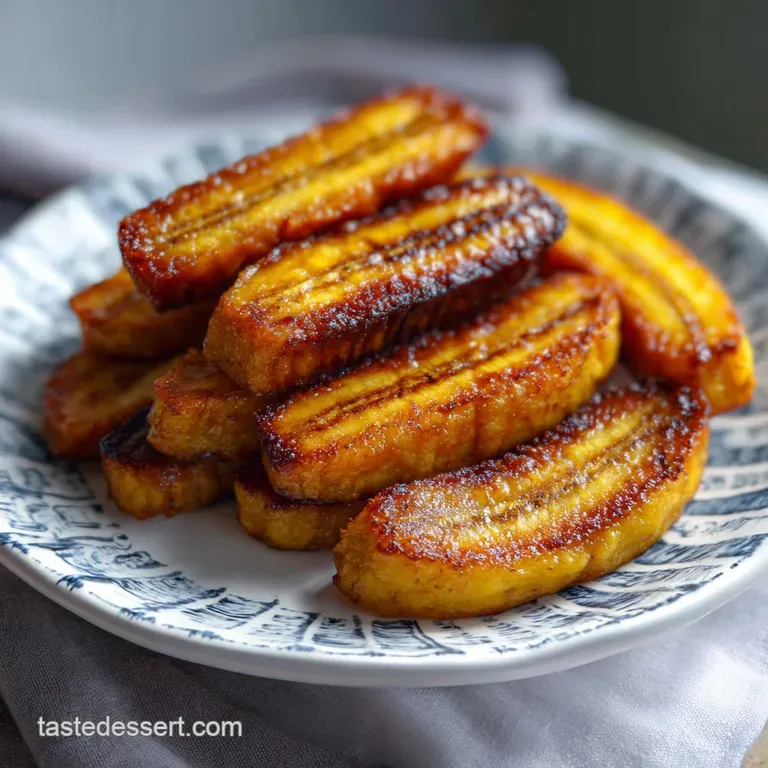
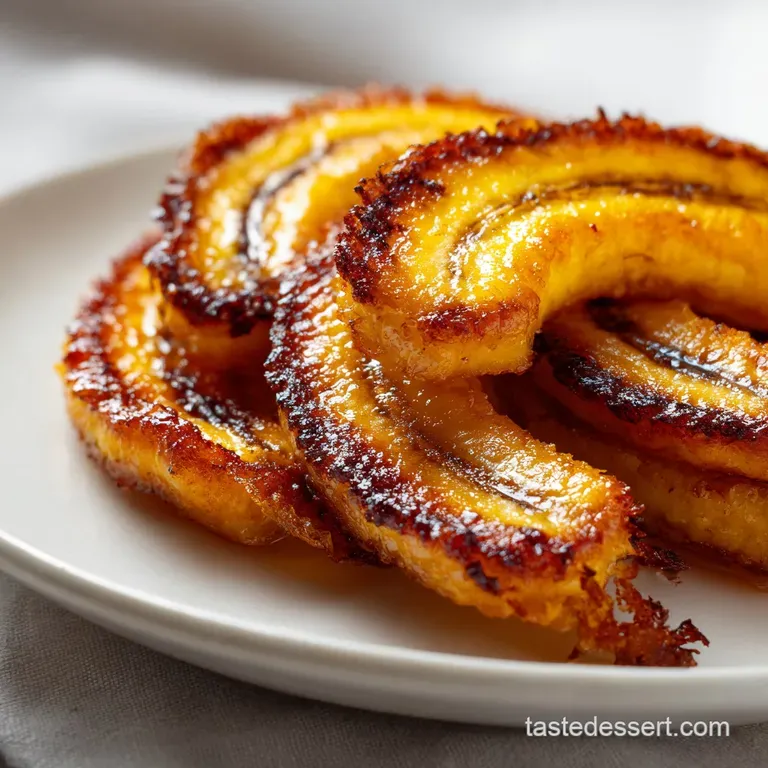
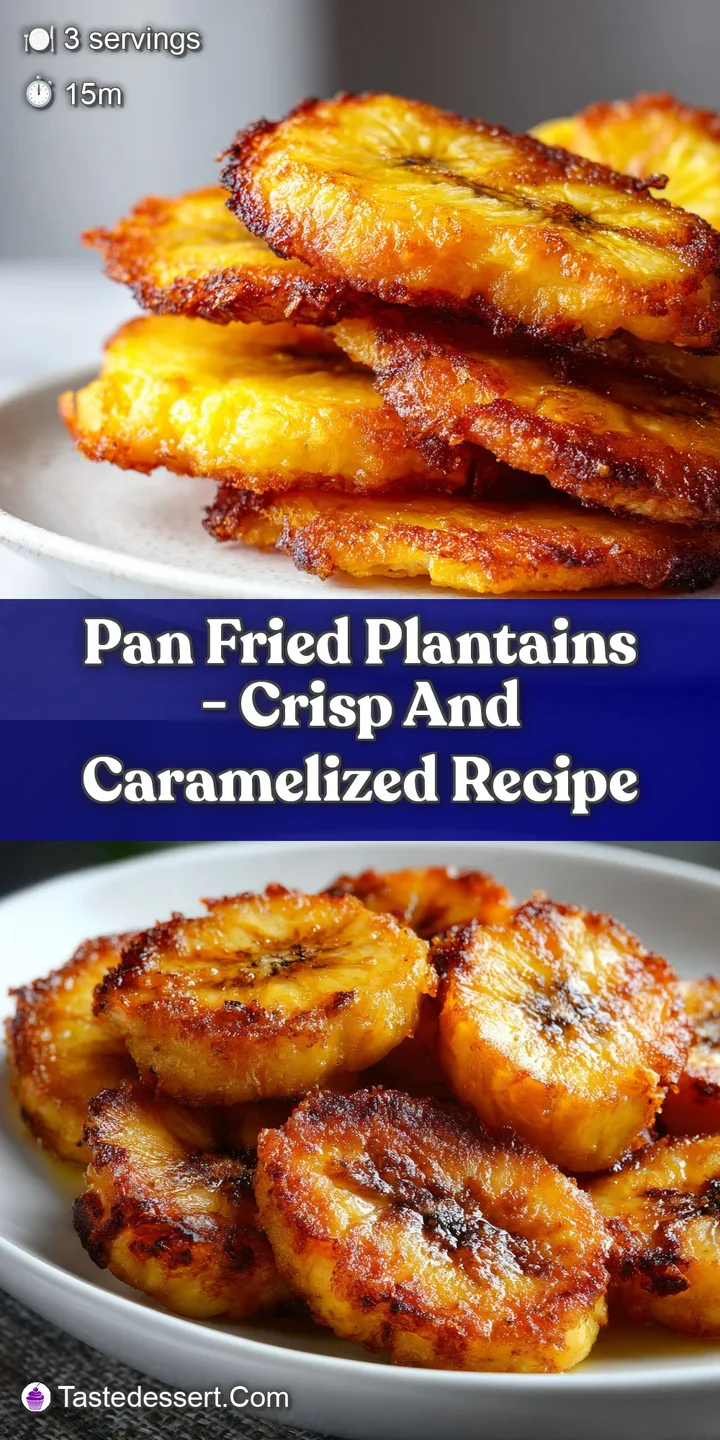
- Flavor/Texture Hook: A shatter crisp mahogany crust with a velvety, custard like interior.
- Perfect for: A quick weeknight side dish or a simple breakfast topping.
- Golden Crust Secrets for Pan Fried Plantains
- Why This Simple Method Succeeds
- Essential Specs and Quick Metrics
- Key Elements for Deep Flavor
- Essential Tools for the Sizzle
- How to Reach Golden Perfection
- Fixing Common Cooking Stumbles
- Flavor Tweaks and Ingredient Swaps
- Storing and Reheating Your Batch
- Ideas for the Perfect Spread
- Recipe FAQs
- 📝 Recipe Card
Golden Crust Secrets for pan-fried Plantains
I remember the first time I tried to make these in my tiny college apartment. I bought bright green plantains, thinking they were just big bananas, and threw them in a pan. They were hard, starchy, and honestly quite depressing.
I almost gave up on them entirely until a neighbor saw my "blackened" fruit on the counter a week later and told me I was finally ready to cook. She was right. That ugly, bruised looking skin is actually the signal that the fruit inside has turned into pure sugar gold.
When you drop a slice of a truly ripe plantain into a shimmering pan, the sizzle is immediate. The kitchen fills with this heavy, floral, and almost vanillic aroma that makes everyone wander into the kitchen asking when dinner is ready.
This dish is all about patience and watching for that specific color change from pale yellow to a deep, glowing amber. We aren't just cooking fruit here, we are performing a little bit of kitchen alchemy that turns a starchy staple into something that feels like a total indulgence.
The beauty of this method is its simplicity, but don't let that fool you. There's a specific rhythm to it. You want the heat high enough to create a crust that has a satisfying shatter, but low enough that the middle turns into a velvety puree.
It's a fine line, but once you find it, you'll be making these at least twice a week. Trust me on this, once you master the sear, you'll never look at a "rotten" looking plantain the same way again.
Why This Simple Method Succeeds
- Enzymatic Conversion: As the plantain skin turns black, amylase enzymes break down complex starches into simple sugars, allowing for rapid caramelization.
- Maillard Reaction: The high heat of the pan triggers a reaction between the fruit's trace proteins and sugars, creating a savory sweet crust.
- Fat Emulsification: Using a mix of oil and butter creates a protective barrier that prevents the sugars from burning too quickly while adding a rich mouthfeel.
- Cellular Breakdown: The heat softens the pectin in the fruit's cell walls, transforming the texture from fibrous to a velvety custard.
The Physics of the Sear
High heat causes the moisture on the surface of the fruit to evaporate instantly, creating a dry "skin" that fries into a crisp layer. This prevents the interior moisture from escaping, effectively steaming the center of the slice in its own juices.
| Cooking Method | Time | Texture | Best For |
|---|---|---|---|
| Stovetop Fry | 10 minutes | Maximum crispness, oily sheen | Authentic texture and speed |
| oven-roasted | 20 minutes | Chewier, less oily | Large batches and hands off prep |
| air-fried | 12 minutes | Drier exterior, firm center | Healthy everyday snacking |
While the stovetop is my favorite for that classic street food feel, sometimes I'll toss them in the oven if I'm already making a big batch of my How to Whip recipe and need the stove space for other things.
Essential Specs and Quick Metrics
Component Analysis
| Ingredient | Science Role | Pro Secret |
|---|---|---|
| Ripe Plantain | Primary sugar source | Use fruit that feels slightly soft to the touch through the skin. |
| Neutral Oil | Heat conductor | Choose an oil with a high smoke point like grapeseed to avoid acrid flavors. |
| Unsalted Butter | Flavor and browning | Add this during the last 2 minutes of cooking to prevent the milk solids from burning. |
This dish is a masterclass in heat management. Because we are working with such high sugar content, the difference between a mahogany crust and a burnt mess is about thirty seconds. I always keep my tongs ready and my eyes on the pan. If you've ever made my How to Make recipe, you know that the "shimmer" of the oil is your best friend when it comes to knowing exactly when to start.
Chef Tip: If your plantains are so ripe they feel like they might fall apart, pop them in the freezer for 10 minutes before slicing. This firms up the sugars just enough so you can get clean, biased cuts without mashing the fruit.
Key Elements for Deep Flavor
To get the best results, you need the right building blocks. We're using 2 large, very ripe plantains which should be at least 50-75% black on the outside. For the fat, 3 tbsp neutral oil provides the over high heat stability, while 1 tsp unsalted butter gives us that delightful nutty finish at the end.
Don't skip the 1/2 tsp flaky sea salt, it's what makes the sweetness pop, and the 1/4 tsp ground cinnamon adds a warm, earthy depth that ties everything together.
- Very Ripe Plantains: Essential for sweetness. Why this? Starchy green ones won't caramelize and will stay hard and flavorless.
- Substitute: Very firm bananas (Note: will be much softer and cook faster).
- Neutral Oil: High smoke point. Why this? Prevents smoking and off flavors during the 10 minute fry time.
- Substitute: Melted lard or beef tallow for a more traditional, savory depth.
- Unsalted Butter: Flavor enhancer. Why this? Adds a rich, creamy finish that oil alone lacks.
- Substitute: Ghee or coconut oil for a dairy-free option with high heat tolerance.
- Flaky Sea Salt: Contrast. Why this? Provides little bursts of salt that cut through the sugar.
- Substitute: Kosher salt (use slightly less as it's denser).
- Ground Cinnamon: Warmth. Why this? Complements the natural vanillic notes in the ripening fruit.
- Substitute: Nutmeg or allspice for a more Caribbean inspired profile.
Essential Tools for the Sizzle
You don't need a pantry full of gadgets, but a heavy bottomed skillet is non negotiable. A cast iron pan (like a Lodge 10 inch) is my go to because it holds heat beautifully, ensuring that when you drop the cold fruit in, the temperature doesn't plummet.
If the pan cools down, the fruit will soak up the oil rather than searing, leaving you with a greasy mess instead of a crisp treat.
You'll also want a flexible metal spatula or a pair of thin tipped tongs. Since ripe plantains are tacky and delicate, you need to be able to get under them without tearing that developing crust. A wire cooling rack set over a paper towel is another "secret" tool.
If you let the hot plantains sit directly on a plate, the steam they release will turn the bottom side soggy within seconds. Elevating them lets air circulate, keeping that shatter-crisp texture intact while the excess oil drains away.
How to Reach Golden Perfection
- Prep the fruit. Peel the 2 large plantains and slice them on a 1/2 inch bias. Note: Slicing at an angle increases surface area for more caramelization.
- Heat the pan. Place your skillet over medium high heat and add the 3 tbsp neutral oil. Wait until the oil shimmers and a tiny piece of fruit sizzles instantly.
- Arrange the slices. Place the plantain slices in the pan in a single layer. Do not crowd them or they will steam instead of fry.
- Sear the first side. Cook for 3 to 4 minutes until the edges look dark amber and the bottom is deeply caramelized.
- Flip carefully. Use your tongs to turn each slice over. The fruit will be soft, so move gently to keep the slices whole.
- Add the butter. Drop the 1 tsp unsalted butter into the center of the pan. Let it foam and baste the plantains as it melts.
- Finish the second side. Cook for another 3 minutes until the second side matches the first in color.
- Season immediately. Remove the plantains to a wire rack and sprinkle with 1/2 tsp flaky sea salt and 1/4 tsp ground cinnamon. The salt sticks best while the surface is still hot and oily.
Fixing Common Cooking Stumbles
Why Your Plantains Are Mushy
If your slices feel greasy and limp rather than crisp, the oil wasn't hot enough when they hit the pan. If the oil is too cold, the fruit absorbs the fat into its cellular structure before the outside can seal. Always wait for that shimmer! Another culprit is overcrowding.
If the slices are touching, the moisture escaping from the fruit gets trapped, creating a steam bath that prevents the crust from forming.
Outside Is Burning Too Fast
This usually happens when the heat is too high or the plantains are extremely ripe (almost completely black). Because the sugar content is so high, it can go from brown to carbonized in seconds. If you see smoke, pull the pan off the heat immediately.
You can finish the cooking process using the residual heat of a heavy pan while the temperature stabilizes.
| Problem | Root Cause | Solution |
|---|---|---|
| Slices sticking | Pan wasn't preheated | Heat oil until it moves like water before adding fruit. |
| Raw, hard center | Slices are too thick | Keep slices to 1/2 inch or lower the heat and cook longer. |
| Bitter flavor | Burnt butter solids | Add butter only at the very end of the cooking process. |
Common Mistakes Checklist
- ✓ Using "pretty" yellow plantains (they need to be ugly and black for the best flavor).
- ✓ Slicing them too thin (they will burn before the middle gets velvety).
- ✓ Forgetting to drain them on a rack (leads to immediate sogginess).
- ✓ Skiping the salt (the flavor will feel flat and overly cloying without it).
- ✓ Moving the fruit too much (let them sit undisturbed to build a proper crust).
Flavor Tweaks and Ingredient Swaps
If you want to lean into the savory side, skip the cinnamon and add a pinch of smoked paprika or garlic powder. These savory pan-fried plantains are a staple in many Latin American households as a side for black beans and rice.
The saltiness against the natural sugar of the fruit is a match made in heaven.
For a true dessert twist, you can double the butter and add a splash of dark rum to the pan in the last 30 seconds. It creates a quick flambé effect that deepens the caramel notes and makes the house smell like a tropical vacation. If you're looking for a different kind of crunch, you might find inspiration in the coating techniques of my Fried Oreos recipe, though plantains are usually best left un battered to let their natural sugars shine.
| Original Ingredient | Substitute | Why It Works |
|---|---|---|
| Neutral Oil | Coconut Oil | Adds a tropical aroma. Note: Lower smoke point, so watch the heat. |
| Cinnamon | Chili Powder | Creates a "Mexican chocolate" vibe. Adds heat to the sweet fruit. |
| Sea Salt | Honey Drizzle | Increases the "dessert" factor but makes the fruit very tacky. |
Storing and Reheating Your Batch
These are honestly best eaten within minutes of leaving the pan, but life happens. If you have leftovers, store them in an airtight container in the fridge for up to 4 days. Whatever you do, do not use a microwave to reheat them. It will turn the crust into a rubbery mess and the inside into a mushy paste.
The best way to bring them back to life is in a dry skillet over medium heat or in an air fryer at 350°F for about 3 minutes. This helps re crisp the exterior oils. You can also freeze them for up to 2 months.
Lay them flat on a baking sheet to freeze individually before tossing them into a bag. To use from frozen, just drop them straight into a hot pan with a tiny bit of fresh oil.
For a zero waste tip: don't throw away those black peels! They are excellent for composting because of their high potassium content, which your garden plants will absolutely love.
Ideas for the Perfect Spread
pan-fried plantains are incredibly versatile. I love serving them alongside a spicy jerk chicken or a heap of pulled pork. The sweetness of the fruit acts as a cooling agent against the heat of the spices. They are also a fantastic addition to a breakfast bowl with fried eggs, avocado, and a little hot sauce.
The creamy yolk running into the velvety center of the plantain is a breakfast experience you won't forget.
If you're looking for a full meal plan, try serving these as a side to a hearty bowl of feijoada or even a simple grilled steak. They add a level of complexity to a plate that usually requires much more work.
Honestly, sometimes I just eat a bowl of them by themselves with a little extra flaky salt and a squeeze of lime juice. The acidity of the lime cuts through the richness of the fried fruit perfectly, making it impossible to stop at just one serving.
Recipe FAQs
Are you supposed to soak plantains before frying?
No, do not soak them. Soaking introduces excess surface moisture, which causes the oil temperature to drop rapidly when the plantains hit the pan, leading to greasy, soggy results.
How to make pan-fried plantain?
Slice ripe (black skinned) plantains on a 1/2 inch bias. Heat neutral oil over medium high heat until shimmering, then carefully sear slices for 3-4 minutes per side until deeply caramelized.
How long does it take for plantains to fry?
Expect approximately 7 to 8 minutes of total cook time. This involves 3-4 minutes per side over medium high heat, ensuring the interior is soft while the crust achieves a deep amber color.
How unhealthy is fried plantain?
It is moderately high in fat, but it is a nutrient dense fruit base. Since they absorb oil, they are calorically dense, but the high potassium content is a major benefit; for a leaner result, try air frying or baking.
What is the secret to getting a very crisp crust on pan-fried plantains?
The secret is using very hot oil and not crowding the pan. High heat immediately seals the exterior, preventing oil absorption and achieving the necessary Maillard reaction crust. If you master this searing technique, you'll find the same principle applies when you learn Easy & Juicy How to Pan Fry a Steak: My Fail Proof Herb Glazed Method.
Is it true that I must use only green plantains for frying?
No, this is a common misconception, leading to starchiness. Ripe plantains (which have significant black spotting) contain higher natural sugars necessary for deep, satisfying caramelization when fried.
Can I substitute the plantain with a different starchy side for a savory meal?
Yes, you can substitute with firm, unripe bananas or starchy root vegetables like yuca, but texture will vary. If you are looking for a pan-fried savory dish that acts as a side to heavier meals, consider how we use the searing method in How to Make the Ultimate Pan-Fry Halloumi Flatbreads with Honey.
pan-fried Plantains Recipe
Ingredients:
Instructions:
Nutrition Facts:
| Calories | 234 kcal |
|---|---|
| Protein | 1.7 g |
| Fat | 8.5 g |
| Carbs | 42.5 g |
| Fiber | 3.1 g |
| Sugar | 20.2 g |
| Sodium | 392 mg |
