Homemade Japanese Comfort Curry Kare Raisu with Perfectly Fluffy Rice
- Why Ditch Store-Bought Blocks for Authentic Japanese Curry on Rice?
- The Unbeatable Comfort of Homemade Kare Raisu
- Sourcing the Perfect Components for Rich Japanese Curry
- Essential Tools for Crafting a Superior Curry Base
- Phase One: Building the Flavor Foundation with Sautéed Aromatics
- The Alchemy of the Homemade Roux: Creating Depth Through Toasting
- Simmering to Perfection: Achieving the Ideal Curry Consistency
- Next-Level Variations: Taking Your Japanese Curry Beyond the Classic
- Recipe FAQs
- 📝 Recipe Card
Why Ditch store-bought Blocks for Authentic Japanese Curry on Rice?
That familiar brown block of pre-made Japanese curry the one that promises quick results is a wonderful gateway drug into Kare Raisu . However, relying on it exclusively means missing out on the profound, layered flavour achievable when you craft the foundation yourself.
Making the roux from scratch might sound intimidating, but it’s actually one of the most rewarding aspects of cooking this dish. When you control the fat, the spices, and the toasting time, you achieve a texture and depth that pre-packaged mixes simply cannot replicate.
This Japanese Curry Rice Recipe moves beyond convenience and into the realm of true, soulful cooking.
The Unbeatable Comfort of Homemade Kare Raisu
There is a reason that Japanese Curry on Rice is considered the quintessential Japanese comfort food, often served in school cafeterias and homes across the nation. It’s not aggressively spicy like Indian curries, nor is it heavily reliant on coconut milk like Thai versions.
Instead, it’s a masterful balance: savoury, slightly sweet, and incredibly thick, coating every grain of rice perfectly. This version emphasizes creating a complex, umami rich sauce from simple components, resulting in a far more satisfying Japanese Curry Rice Bowl .
Beyond Takeout: Unveiling the Secret to Deep Umami Flavor
The secret to moving beyond a one-note takeout flavour lies in two key additions we integrate: high-quality stock and a touch of fermented depth. While the roux provides the essential texture, the stock (instead of plain water) offers an immediate savoury backbone.
On top of that,, incorporating a tablespoon of soy sauce might seem unusual for a curry, but it provides a critical blast of umami that deepens the flavour profile substantially, turning a simple stew into a remarkably complex Asian Curry With Rice .
A Culinary Trip to Tokyo: Setting Expectations for this Rich Stew
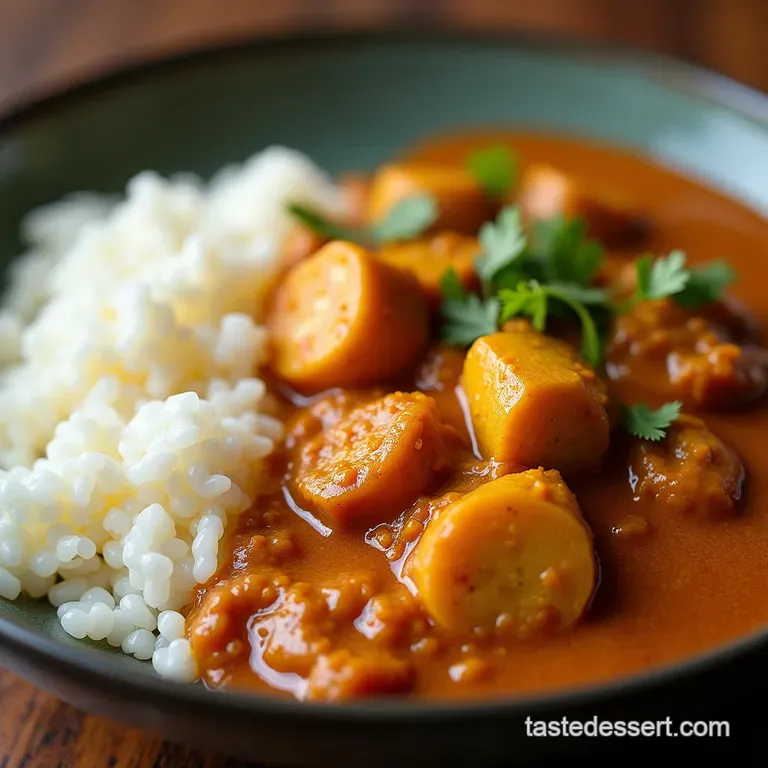
When you sit down to enjoy this homemade Japanese Curry Chicken Rice , expect a consistency that is closer to a rich gravy than a watery soup. The texture should be glossy and capable of clinging beautifully to the rice.
The flavour profile should hint at sweetness often achieved naturally through caramelized onions or, as in our method, grated apple perfectly offsetting the warmth of the spices. This is a hearty, slow simmered meal designed to be satisfying rather than aggressively spiced.
What Makes Our Roux Superior to Standard Japanese Curry Mixes
The core difference between our approach and using those convenient blocks lies entirely in the Japanese Curry Ingredients themselves. store-bought blocks rely on a complex mixture of fats, flours, and powdered flavour enhancers.
By starting with plain butter and flour, and then toasting them with fresh spices like turmeric and cumin, we achieve a nuanced, nutty fragrance. This fresh toasting step unlocks aromatic compounds in the spices that pre-ground powders often lack, giving your sauce unparalleled richness.
Sourcing the Perfect Components for Rich Japanese Curry
Achieving excellence in any recipe starts with quality components. For this Easy Japanese Curry Rice , the selection of vegetables and the type of rice used are just as important as the spices themselves.
We are aiming for a rustic, hearty stew texture where the vegetables soften but retain just enough structure to provide textural contrast to the thick sauce.
Essential Tools for Crafting a Superior Curry Base

While you don’t need highly specialized equipment, a heavy bottomed saucepan or Dutch oven is non-negotiable. Why? Because the flour in the roux will scorch quickly if the heat isn't distributed evenly.
A good, thick base helps regulate temperature, preventing that dreaded burnt taste at the bottom while the rest of the curry simmers gently. You will also need a reliable whisk for smoothly incorporating the roux into the liquid.
Vegetable Selection: Balancing Sweetness and Earthiness
For our traditional base, we rely on the holy trinity of Japanese stew vegetables: potatoes, carrots, and onions. Potatoes (like Yukon Gold) absorb the sauce wonderfully without completely disintegrating, while carrots provide natural sweetness and colour.
The onions are sautéed until deeply translucent, creating the first layer of foundational sweetness before any sugar is even added.
The Flour Fat Ratio: Mastering the Scratch Roux Ingredients
The key to a perfect scratch roux is precision: a 1:1 ratio by volume or weight between the fat and the flour is essential for the classic thickener. In our recipe, this means using 4 tablespoons of unsalted butter and 4 tablespoons of all-purpose flour .
This paste is what we enrich with spices. The fat carries the flavour, and the flour provides the body needed to transform the simmering stock into that characteristic thick Japanese curry gravy.
Selecting the Ideal Short Grain Rice for True Japanese Curry on Rice
To truly experience this dish as intended, the rice matters immensely. You must use short grain Japanese rice (like Koshihikari). This rice cooks up sticky, slightly sweet, and plump. Its texture is crucial because it provides the perfect sticky bed for the rich sauce to cling to.
Long grain rice, like basmati, is too dry and separate; it simply doesn't hold up to the weight and moisture of the thick curry.
Related Recipes Worth Trying
- Easy Cajun Chicken Rice Weeknight Winner — Craving easy Cajun This onepot Cajun chicken and rice is your weeknight answer Louisiana flavors budgetfriendly ready in 45 Get the simple recipe
- Japanese Golden Curry Easy Comfort Food Recipe — Craving comforting Japanese Golden Curry This easy recipe uses Japanese curry roux for a flavorful stew perfect over rice Ready in an hour Get the recipe now
- Hearty Vegetable Rice Soup Garden Goodness in a Bowl — Need a hug in a bowl This easy vegetable rice soup recipe is packed with gardenfresh flavor and ready in under an hour Perfect for chilly nights Get the...
Phase One: Building the Flavor Foundation with Sautéed Aromatics
We begin by laying the groundwork for deep flavour. Heat a tablespoon of neutral oil in your heavy pot. If you are using protein, such as boneless chicken thighs, sear them quickly until lightly browned on all sides; this caramelization locks in savory notes. Remove the meat and set it aside.
Next, introduce your roughly chopped onions to the same pot. Sauté them patiently over medium heat until they become soft and beautifully translucent this process takes about five minutes and releases essential sugars into the pan drippings.
Following the onions, add your chunked carrots and potatoes, stirring them gently for a few minutes to lightly coat them in the residual fat and soak up the onion flavour.
The Alchemy of the Homemade Roux: Creating Depth Through Toasting
While your vegetables are softening, it’s time to create the heart of the sauce: the roux. In a separate, small bowl, thoroughly combine the softened butter with the flour, Japanese curry powder, turmeric, and cumin until you have a thick, uniform paste.
This isn't the liquid roux you might use for gravy; it’s a very stiff paste. Once the vegetables are ready, return your seared protein to the pot. Now, carefully drop spoonfuls of this spiced butter paste into the pot, stirring it constantly into the vegetables and meat over low heat.
This step is crucial: continue cooking this paste mixture for about 5 to 8 minutes, stirring constantly. You are not just melting the butter; you are toasting the flour and the spices until the mixture becomes richly fragrant this eliminates any raw flour taste and deepens the final colour.
Simmering to Perfection: Achieving the Ideal Curry Consistency
Once the roux has developed its nutty aroma, it’s time to introduce liquid. Pour in four cups of water or, preferably, low-sodium chicken stock. Whisk vigorously as you pour to ensure the roux dissolves completely and smoothly into the liquid, preventing lumps.
Bring the mixture up to a gentle simmer, using a spoon to skim off any foam that rises to the surface.
Browning Proteins (If Applicable) for Maximum Savory Notes
As mentioned earlier, if you opted for chicken, pork, or beef, searing it beforehand creates the Maillard reaction essential browning that significantly deepens the overall savouriness of the finished Japanese Curry Chicken Rice .
Don't skip this step if using meat, as those little brown bits stuck to the bottom of the pan are pure flavour gold once deglazed by the stock.
Step-by-step Guide to Hand Whisking the Perfect Golden Roux
The key to a lump free experience lies in patience during this stage. Start whisking the moment the liquid enters the pan. Ensure the heat remains at a low simmer a rolling boil will cause lumps to seize up.
Continue whisking intermittently for the first five minutes until you can see the sauce beginning to thicken noticeably around the edges of the pot. A smooth, golden brown slurry coating the vegetables is your goal before moving to the long simmer.
Integrating Liquids and Slow Cooking the Hearty Vegetables
With the roux fully incorporated, reduce the heat to the lowest setting. Now, add your "secret weapon" for sweetness: the grated apple. Stir in the tablespoon of soy sauce and the teaspoon of honey or brown sugar.
Cover the pot partially and allow the curry to simmer slowly for at least 30 minutes, though 45 minutes is better. This prolonged cooking time ensures the potatoes become meltingly tender and the starches from the potatoes and the roux fully release, naturally thickening the sauce without excessive manipulation.
Final Touches: Adjusting Seasoning Before Serving Over Fluffy Rice
After the long simmer, taste the sauce. It should be rich, thick, and perfectly balanced between savoury and subtly sweet. If it’s too thick, add a splash more stock. If it tastes flat, a tiny pinch of salt or a little more soy sauce will awaken it.
Ladle the steaming, perfectly cooked short grain rice onto a wide bowl, and then spoon the rich, thick curry generously over half of the rice mound. Serve immediately for that perfect textural contrast.
Next Level Variations: Taking Your Japanese Curry Beyond the Classic
While the classic preparation is divine, this base is incredibly versatile for creating unique Healthy Japanese Dishes . If you are looking to lighten the load, replace half the butter in the roux with olive oil, though be aware the flavour profile will shift slightly.
A wonderful variation is the addition of thinly sliced mushrooms sautéed until deeply browned and added during the final 10 minutes of simmering, boosting the earthy umami notes beautifully.
Incorporating Elements Inspired by Sweet Japanese Desserts (Like Mochi Textures)
For a surprising textural element that plays on the sweet undertones, consider adding small, quarter sized pieces of plain, pre-cooked mochi near the end of cooking. They won't dissolve entirely but will soften to a wonderfully chewy, gelatinous consistency that contrasts nicely with the soft vegetables.
Handle them gently as they are very delicate once heated.
Pairing Suggestions: What Sides Complement This Savory Meal?
This hearty Japanese Curry on Rice doesn't need much alongside it, but small, bright additions enhance the meal. A simple, thinly sliced cucumber salad dressed with rice vinegar and sesame oil offers a cooling, acidic counterpoint.
Alternatively, a small bowl of pickled vegetables, such as the traditional fukujinzuke , provides necessary crunch and tang.
Troubleshooting: Fixing a Curry That's Too Thin or Too Spicy
If your sauce ends up too thin after simmering, the fix is simple: create a slurry . Mix one tablespoon of flour or cornstarch with two tablespoons of cold water until smooth. Whisk this slurry into the simmering curry slowly until the desired thickness is achieved.
If, conversely, the dish has become too spicy, stir in a little extra grated apple or a teaspoon of brown sugar; the added sweetness will effectively neutralize excessive heat.
Optimal Cooling and Freezing Techniques for Leftover Kare Raisu
One of the greatest benefits of this scratch made curry is its superior storage capability. Allow the curry base to cool completely before transferring it to airtight containers. It freezes exceptionally well; use freezer safe bags or containers, leaving about an inch of headspace for expansion.
When reheating, thaw overnight in the refrigerator and then gently warm on the stovetop, stirring often. The texture should revert almost perfectly, often tasting even better the next day!
Recipe FAQs
What’s the secret to making sure my homemade Japanese Curry on Rice isn't lumpy?
Ah, the dreaded lumps! The key to a smooth texture is ensuring your roux (the butter/flour/spice mixture) is completely incorporated before adding too much liquid. Always whisk vigorously while slowly adding the stock, a ladleful at a time.
If lumps sneak in anyway, don't panic; just whisk hard or use an immersion blender for a few seconds to blitz it back into submission.
I’m in a hurry; can I use a store-bought curry block instead of making the roux from scratch for my Japanese Curry on Rice?
Absolutely, you can it’s a proper lifesaver on a Tuesday night! If you use a block, skip Step C entirely. Add the cubed sauce block to your simmering vegetables and stock (Step D, point 1), and stir until it melts fully.
Just be aware that the depth of flavour won't quite match the homemade version, as you miss out on the nutty flavour from browning your own spices.
My curry seems too sweet; what can I do to balance the flavour without making it too spicy?
That sweetness often comes from the grated apple or honey, so don't worry, it's intentional! To cut through it, you need acidity or saltiness. Try adding a teaspoon of Worcestershire sauce or a splash more soy sauce for umami balance.
If you want a sharp edge, a tiny squeeze of lemon juice right at the end can work wonders, much like adding vinegar to fish and chips!
How long can I keep leftovers of my Japanese Curry on Rice, and does it taste better the next day?
Oh yes, this dish is legendary for being better the next day! Store leftovers in an airtight container in the fridge for up to three or four days. The flavours meld together beautifully overnight, making it a truly excellent choice for batch cooking.
Reheat slowly on the stove, adding a splash of water or stock if it’s become too thick upon cooling.
What’s the best way to store the leftover curry sauce if I don't want to freeze the rice?
The sauce freezes brilliantly, which is great if you make a massive batch! Cool the curry sauce completely, then transfer it to heavy duty freezer bags or containers, leaving a bit of headroom for expansion. It should keep well for up to three months; just defrost overnight in the fridge before reheating.
You can always cook fresh rice when you fancy it again!
I’m worried about the fat content due to the butter in the roux; are there any ways to lighten up this classic Japanese Curry on Rice?
It’s a fair point; the butter adds richness but also fat. To lighten it up, you can reduce the initial butter by half and substitute the missing volume with a flavourless oil like canola.
You could also swap the chicken thighs for lean chicken breast, though you’ll need to be careful not to overcook it while simmering.
Scratch Japanese Curry Rice