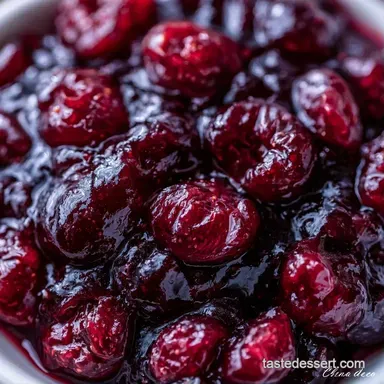
Honey Fig Jam: Rich and Syrupy

- Time: 10 min active + 30 min cooking
- Flavor/Texture Hook: Rich, syrupy, and chunky
- Perfect for: Charcuterie boards or weekend brunch
- Honey Fig Jam: No Pectin Spread
- The Trick to Thickening
- Essential Kitchen Tools
- The Ingredient Breakdown
- The Building Blocks
- Jam Quick Facts
- Cooking Step by Step
- Fixing Common Jam Issues
- Adjusting the Batch Size
- Storage and Zero Waste
- Different Flavor Twists
- Serving Your Jam
- Recipe FAQs
- 📝 Recipe Card
Honey Fig Jam: No Pectin Spread
There is nothing quite like the aroma of simmering fruit and cinnamon wafting through the house, it's truly the highlight of the entire process. I used to believe that store-bought pectin packets were a requirement to prevent jam from becoming too runny.
Because I dreaded the science behind getting a jar to "set" properly, I steered clear of homemade preserves for years.
The reality is much simpler: those additives aren't necessary. Fresh figs are naturally packed with enough pectin to handle the thickening. A splash of lemon juice is all you need to help the mixture set on its own.
This Honey Fig Jam is a delight, pairing the earthy richness of figs with a light, floral honey touch. Rather than a firm, gelatinous preserve, it's a luxurious, spreadable treat that tastes incredible on a piece of toasted sourdough.
The Trick to Thickening
- Natural Pectin: Figs have built in thickening agents that react with heat and acid to create a jammy texture.
- Honey Binding: Honey holds onto water better than white sugar, which gives the jam a glossy, heavy feel.
- Acid Catalyst: Lemon juice lowers the pH, which helps the pectin bonds lock together so the jam isn't runny.
According to Serious Eats, the balance of sugar, acid, and pectin is what defines a preserve's set. In this case, the honey handles the sugar and the figs provide the pectin.
| Method | Time | Texture | Best For |
|---|---|---|---|
| Honey Method | 40 mins | Syrupy & Chunky | Charcuterie |
| Classic Sugar | 3+ hours | Gel like | Long-term Pantry |
Essential Kitchen Tools
No fancy equipment is necessary for this. A heavy-bottomed saucepan is key, as honey burns easily on thinner metal. I typically use a 2-quart pot to stop the liquid from splashing.
A silicone spatula is useful for scraping the sides and preventing the honey from scorching. You'll also need a sharp knife to quarter your figs and a glass jar for storage.
The Ingredient Breakdown
| Component | Purpose | Substitute Notes |
|---|---|---|
| Fresh Figs | Base & Pectin | Dried figs (soaked) - result is denser |
| Golden Honey | Sweetener & Glaze | Maple syrup - thinner and woodier |
| Lemon Juice | Acid/Setting | Apple cider vinegar - more tangy |
| Cinnamon Stick | Warmth | Ground cinnamon - less clean flavor |
The Building Blocks
- 1 lb (450g) Fresh Figs, stemmed and quartered Why this? Brown Turkey or Mission varieties offer the best thickness.
- ½ cup (170g) Golden Honey Why this? Subtle floral notes that allow the fruit to shine.
- 2 tbsp (30ml) Fresh Lemon Juice Why this? Key for helping the jam set naturally.
- ¼ tsp (1.5g) Sea Salt Why this? Balances the sweetness for a more complex flavor.
- 1 Cinnamon Stick Why this? Imparts a gentle, warm aromatic quality.
Jam Quick Facts

Here is the breakdown. This small-batch recipe is ideal for those who prefer not to have a dozen jars cluttering up their pantry.
- Prep time: 10 minutes
- Cook time: 30 minutes
- Total time: 40 minutes
- Yield: 1 cup
Cooking step by step
Phase 1: The Maceration
Combine the quartered figs, honey, lemon juice, and salt in your saucepan. Toss in the cinnamon stick. Stir gently and let it sit for 5 minutes. Note: This lets the honey draw the juices out of the figs before the heat starts.
Phase 2: The Reduction
Place the pan over medium heat. Bring the mix to a gentle simmer. Immediately drop the heat to medium low. Stir every few minutes to make sure the honey doesn't scorch on the bottom. Cook for 20–25 minutes until the figs break down and the liquid looks like a thick glaze.
Phase 3: The Finishing Touch
Dip a spoon into the jam and drag your finger across the back. If the trail stays clean and the jam doesn't flow back, it's done. Remove the cinnamon stick and pour the jam into a glass jar. Let it cool completely at room temperature to reach its final thickness.
Fixing Common Jam Issues
Jam is Too Runny
Since this is a Honey Fig Jam without Pectin, we rely on evaporation. If it's too liquid after 30 minutes, simmer it for another 5–10 minutes. Just keep an eye on the heat so it doesn't turn into candy.
Honey is Scorching
If you see small brown bubbles or smell something burnt, your heat is too high. Stop stirring for a second, remove the pan from the heat, and stir in a tablespoon of water to deglaze the bottom.
Figs Aren't Breaking Down
This usually happens if the figs were underripe. If the chunks are too large after 25 minutes, use a potato masher or the back of a fork to gently crush a few of them. This releases more pectin and thickens the sauce.
Adjusting the Batch Size
To prepare a larger quantity, feel free to double the ingredients. Opt for a wider pot to ensure there is enough surface area for the water to evaporate. I suggest increasing the cinnamon to only 1.5 sticks; using two can sometimes make the jam taste too woody.
For a smaller batch, simply halve all measurements. Reduce the simmer time by roughly 20% since there is less liquid to boil off.
| Goal | What to change |
|---|---|
| Thicker set | Simmer 5 mins longer |
| Tangier flavor | Add 1 tsp extra lemon |
| Warm spice | Add a pinch of cloves |
Storage and Zero Waste
Store this jam in a sealed glass jar in the refrigerator for up to 3 weeks. Since it contains no preservatives unlike commercial versions, keeping it chilled is a must. For longer storage, it can be frozen for up to 3 months; just leave a little room at the top so the glass doesn't crack during freezing.
Save your fig stems! If you have a good amount, simmer them with water and sugar to whip up a delicate fig-infused syrup for cocktails. You can also repurpose the empty jars to hold bulk spices or organize nails in the garage.
Different Flavor Twists
For a more savory twist, stir in a teaspoon of balsamic glaze just before finishing. This transforms the recipe into a delicious Honey Balsamic Fig Jam that pairs perfectly with goat cheese.
To make a vegan version, substitute the honey with agave or maple syrup. Since maple syrup is thinner, you will likely need to simmer the jam for an additional 5–10 minutes to achieve that same silky consistency.
If you love this flavor, consider using the jam as a filling for my Homemade Fig Newtons recipe. It is a perfect way to utilize any leftovers in the jar.
Serving Your Jam
The best way to eat this is on a charcuterie board with a wedge of brie or sharp cheddar. The sweetness of the jam cuts through the fat of the cheese wonderfully.
For breakfast, spread it over thick toast and top it with a dollop of homemade whipped cream for something decadent. You can also swirl it into Greek yogurt or use it as a glaze for roasted pork tenderloin.
Chef's Tip: If your jam feels too thick after chilling, stir in a teaspoon of warm water or lemon juice to loosen it back up before serving.
Recipe FAQs
Do you need to peel figs before making jam?
No, keep the skins on. The skins provide necessary structure and a deep, rich color that enhances the final glaze.
Is it true that you must add pectin to get fig jam to set?
Surprisingly, no. The natural sugars in the fruit and honey, combined with the lemon juice, create a thick consistency during the 20–25 minute simmer.
How do you prepare fresh figs for this jam?
Stem and quarter the fruit. Place them in a heavy-bottomed saucepan with the honey and other ingredients to let the juices draw out.
Can honey replace granulated sugar in fig preserves?
Yes, it works beautifully. Honey adds a floral depth and a glossy finish that granulated sugar cannot replicate. If you enjoyed this flavor balancing, see how the same principle works in our butterscotch sauce.
What is the trick to knowing if the jam is thick enough?
Perform the spoon test. Drag your finger across the back of a spoon dipped in the jam; if the trail stays clean and doesn't fill in, it is done.
Honey Fig Jam in 40 Minutes