The Velvety Velouté a Lighter Frenchstyle Sweet Potato Soufflé

- Why This Isn't Your Grandmother's Heavy Sweet Potato Bake
- Unveiling the Elegance: Mastering the French Style Sweet Potato Soufflé
- Assembling the Essential Components for Lift-Off
- Selecting and Prepping Your Core Flavors
- The Crucial Transformation: From Mash to Meringue
- Achieving Peak Elevation: The Final Baking Sequence for Your French Style Sweet Potato Soufflé
- Troubleshooting: How to Prevent the Dreaded Collapse
- Elevating the Experience: Serving Suggestions and Variations
- Recipe FAQs
- 📝 Recipe Card
Why This Isn't Your Grandmother's Heavy Sweet Potato Bake
When you hear "sweet potato bake," your mind might drift toward dense casseroles laden with marshmallows and heavy cream. While those dishes certainly have their place during the holidays, they lack finesse. This recipe offers a dramatic departure: the French Style Sweet Potato Souffle .
We are elevating the humble sweet potato from a comforting side to the star of an incredibly light and theatrical dessert or brunch offering. This rendition prioritizes texture and height above all else, creating an airy sweet potato souffle that feels almost ethereal on the palate.
It relies on classic French technique to deliver a flavour profile that is comforting yet undeniably sophisticated, proving that simple ingredients, when treated with respect, can create something truly memorable.
Unveiling the Elegance: Mastering the French Style Sweet Potato Soufflé
The allure of the soufflé lies in its drama, its towering ascent from the oven is an edible piece of performance art. Achieving this lift requires understanding the foundational chemistry at play, transforming a heavy vegetable purée into a cloud-like structure.
While the process requires precision, the reward is an elegant sweet potato souffle that speaks volumes about your culinary skill. This isn't just an easy sweet potato souffle recipe ; it’s an introduction to technique.
The Secret to an Airy Autumnal Cloud
The magic lies in the careful marriage of two distinct components: the rich, flavourful base (our sweet potato pâte ) and the voluminous meringue. The base contains all the essential flavourings, the sweet potato purée, warming spices like cinnamon and nutmeg, sugar, and egg yolks for richness.
The meringue, composed solely of whipped egg whites and sugar, traps air. When baked, the trapped air expands, forcing the structure upwards. The goal is to incorporate the maximum amount of air into the base without sacrificing the structure of the meringue, leading to that signature light sweet potato souffle .
Setting the Stage: What Makes This Soufflé 'French Style'?
The "French style" aspect refers directly to the methodology used for the base mixture. Instead of simply mixing the purée with the yolks and flavourings, we first construct a slightly thickened base, akin to a light pastry cream ( pâte à bombe influence).
We start by making a pale roux with butter and flour, then slowly incorporate warm milk to create a thick, almost glue-like panade. Tempering the egg yolks into this hot mixture before adding the sweet potato purée ensures a silky, homogenous base that can support the massive volume of the egg whites we fold in later.
This structured base prevents weeping and collapse, making for a more stable and ultimately taller rise, fitting perfectly as an Autumnal Sweet Potato Dessert .
Your First Look at a Stunning Brunch Centerpiece
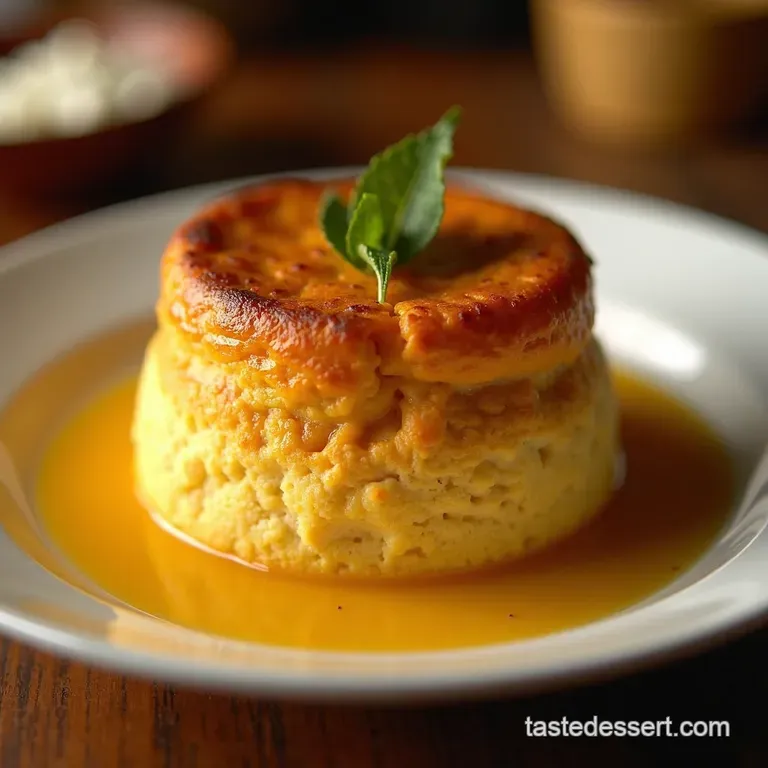
This soufflé is versatile enough to anchor a sophisticated brunch or serve as a stunning, yet light, end to a heavier meal. Picture four individual, perfectly risen towers, golden brown and trembling slightly, ready to be dusted with sugar.
Served alongside a small dollop of sharp crème fraîche, the deep, earthy sweetness of the sweet potato is perfectly balanced. Preparing this Classic Sweet Potato Souffle demonstrates a mastery of texture, moving beyond the standard side-dish presentation.
Assembling the Essential Components for Lift-Off
To begin How To Make Sweet Potato Souffle , we must first organize our ingredients and equipment. Soufflés demand respect for timing and temperature; every element should be ready before the final folding begins.
We separate the process into preparing the sweet potatoes, crafting the flavour base, and whipping the aeration agent, the egg whites.
Selecting and Prepping Your Core Flavors
The foundation of any great soufflé is the quality of its main ingredient. For this dish, we rely on naturally sweet, vibrant roots to provide the necessary heft and flavour saturation.
The Pantry List: Tools to Guarantee Success
Before diving in, ensure you have the right hardware. You’ll need four 6-ounce straight-sided ramekins, the straight sides are crucial as they provide a clean surface for the batter to climb. A heavy-bottomed saucepan is non-negotiable for creating a lump-free roux base.
Finally, while a hand whisk can manage the egg whites, an electric mixer (stand or hand-held) is strongly recommended for achieving the stiff, glossy peaks required for significant lift.
Sweet Potato Selection: Choosing the Right Root Vegetable
For the best result, choose sweet potatoes that are deep orange inside, like the Jewel or Garnet varieties. Avoid overly fibrous or stringy types. The recipe calls for about 1.5 pounds of raw potato, which, once roasted and puréed, should yield exactly 1 cup of packed purée.
Roasting is preferred over boiling, as it concentrates the sugars and drives off excess moisture, resulting in a far more flavourful and less watery base, which is vital for a Posh Sweet Potato Souffle .
Precision Measurement: Ensuring Ingredient Harmony
Accuracy is paramount here. The ratio of fat (butter/yolks) to liquid (milk) in the base, and the ratio of sugar to egg white in the meringue, determines stability. We use 3 tablespoons of butter and flour for the roux, balanced by ½ cup of milk, creating a sturdy scaffold.
When whipping the whites, the sugar must be added gradually once soft peaks form to ensure it dissolves correctly, leading to that resilient structure.
Related Recipes Worth Trying
- The Best OldFashioned Sweet Potato Casserole Recipe — Forget the soggy toppingthis OldFashioned Sweet Potato Casserole features a rich creamy base and a decadent brown butter pecan streusel Get the classic...
- The Best RestaurantStyle Steak Fajitas Recipe — Achieve that authentic sizzling platter experience with this easy Steak Fajitas Recipe Our citrus marinade guarantees tender steak with peppers and onions
- The Ultimate Sweet and Salty Chocolate Bark Recipe — Make this easy chocolate bark recipe featuring pretzels and nuts for the perfect sweet and salty contrast Guaranteed to snap
The Crucial Transformation: From Mash to Meringue
Once your 1 cup of silky sweet potato purée is ready, free from lumps and cooled slightly, the true construction begins. This involves making the pâte base: melting butter, whisking in flour to create the roux, and gradually incorporating the warm milk until it thickens dramatically.
Next, we temper three egg yolks with a small amount of the hot base before returning the tempered yolks to the pan. Stir in your sugar, the purée, and the warming spices (cinnamon, nutmeg, and clove) until you have a thick, cohesive, and richly scented mixture.
This base must be warm, but never hot, when the meringue is introduced. Simultaneously, the four room-temperature egg whites must be beaten until they reach stiff, glossy peaks, potentially with the aid of a quarter teaspoon of cream of tartar for insurance.
Achieving Peak Elevation: The Final Baking Sequence for Your French Style Sweet Potato Soufflé
This is the stage where technique shines brightest. The goal is to combine the heavy base with the light meringue without knocking out the captured air.
Building the Flavor Base: Folding the Sweet Potato Purée
Before committing the entire meringue, take about one-third of your beaten egg whites and vigorously fold them into the warm sweet potato base. This process, known as 'lightening the base,' makes the base mixture less dense and closer in consistency to the remaining meringue, preventing the meringue from deflating when fully incorporated.
The Non-Negotiable Art of Whipping Egg Whites
Remember, the egg whites are the engine of this creation. They must hold stiff peaks, meaning when you lift the whisk, the peak stands proudly upright without flopping over. If they are under-whipped (soft peaks), the soufflé will sag.
If they are over-whipped (dry and grainy), they will be brittle and break apart during folding. Aim for that perfect glossy, medium-stiff peak.
The Gentle Fold: Incorporating Air Without Deflation
Now, gently scrape the lightened base mixture over the remaining two-thirds of the egg whites. Using a wide rubber spatula, employ the classic folding technique: cut down through the centre of the mixture to the bottom of the bowl, sweep the spatula up the side, and turn the bowl slightly.
Repeat this motion until the mixture is just combined, you should still see faint streaks of white. Stop immediately. Over-folding is the number one cause of soufflé failure.
Oven Readiness: Preparing the Ramekins for a Flawless Rise
The preparation of the ramekins is just as critical as the folding. Generously brush the inside of each straight-sided dish with softened butter, using upward strokes from the bottom to the rim. This creates vertical channels for the batter to adhere to as it rises.
Then, coat the entire buttered surface with granulated sugar, tapping out the excess. Chill these prepared dishes briefly. Carefully spoon the final mixture into the ramekins, filling them nearly to the top.
Run your thumb gently around the inner rim to create a small moat; this encourages the soufflé to rise straight up like a proud chimney. Bake at 375° F ( 190° C) for 25 to 30 minutes without opening the oven door.
Troubleshooting: How to Prevent the Dreaded Collapse
The most common fear associated with this dish is the inevitable deflation. A soufflé is only truly "collapsed" if it deflates significantly upon cooling, which is normal to some degree.
A catastrophic collapse during baking usually signals one of two issues: either the meringue was not stiff enough, or the oven door was opened too early, shocking the delicate structure with a blast of cool air.
If your base mixture was too runny (perhaps from watery sweet potatoes), it couldn't support the air, leading to a slow sag. Always ensure your sweet potato purée is thick and your folding technique is exceptionally gentle.
Elevating the Experience: Serving Suggestions and Variations
Once your French Style Sweet Potato Souffle emerges, golden and proud, serve it immediately. A soufflé waits for no one!
Keeping Your Creation Stable: Tips to Never Lose That Height
Soufflés begin to fall the moment they leave the oven's heat. To stabilize them momentarily, use the thumb-swiping trick around the rim. After baking, you can also dust the top lightly with icing sugar immediately. Serve them within five minutes of exiting the oven for the best visual effect and texture.
Storage Insights: Can This Soufflé Be Prepared Ahead?
While the finished product cannot be stored, components can be prepped. You can roast and purée the sweet potatoes a day ahead. Crucially, the sweet potato base ( pâte ) can be made entirely and even chilled overnight.
If chilling, let it come to room temperature before folding in the freshly whipped meringue, as cold base will seize and deflate the whites quickly.
Decadent Dips and Toppings to Complement Your Dish
To enhance the Elegant Sweet Potato Souffle , avoid heavy sauces that might weigh down the structure. A light dusting of powdered sugar is classic. For an enhanced flavour contrast, serve with a small jug of tart sauce, a simple reduction of orange juice simmered with a few fresh cranberries provides a wonderful acidic counterpoint to the richness.
Flavor Twists: Infusing Spice Beyond the Standard Recipe
If you wish to experiment beyond the traditional cinnamon and nutmeg, consider introducing other complementary profiles. A tiny pinch of ground cardamom can add floral complexity, or substitute a teaspoon of bourbon for an equal amount of milk in the base mixture.
For a deeper, richer profile, melt one ounce of bittersweet chocolate into the warm base before folding in the meringue, transforming this into a truly Posh Sweet Potato Souffle experience.
Recipe FAQs
My French Style Sweet Potato Soufflé always collapses as soon as it comes out of the oven. What gives?
Ah, the dreaded soufflé slump! This usually happens because the internal structure isn't quite set, or the temperature shock was too great. Make sure you are baking it long enough for the centre to be just set, don't open the oven door for at least 20 minutes!
Also, ensure you ran your thumb around the top edge of the ramekin; this little groove encourages a straight, proud rise, which helps it hold its shape a touch longer.
Can I make the sweet potato base ahead of time? I’m terrible for timing when entertaining guests.
That's a brilliant idea for staying organised, yes, you absolutely can! The sweet potato base (up to Step 6) can be made 1–2 days ahead of time and stored in the fridge. When you are ready to bake, let the base come to room temperature, then proceed with whipping the egg whites and folding them in.
A slightly cooler base is sometimes even better for folding!
Why do the instructions stress using room-temperature egg whites for the meringue? Is that really necessary?
It’s one of those small details that makes a huge difference, much like remembering to preheat the oven properly! Room-temperature egg whites whip up to a much higher volume and achieve a glossier, more stable peak than cold ones.
Think of it like getting your ingredients ready for a proper cuppa, it all pays off in the end.
I’m not a fan of cloves. Can I skip the spices or substitute them in this French Style Sweet Potato Soufflé?
Absolutely, feel free to tailor the spice profile to your liking! Cloves can be quite punchy, so if you’re sensitive, simply omit them. You could substitute with a bit more cinnamon, or perhaps try adding ¼ teaspoon of ground ginger for a slightly different autumnal warmth.
Keep the spices gentle, as we want the sweet potato flavour to shine through.
How should I store leftovers? Can this soufflé be reheated later?
Soufflés are best eaten straight out of the oven, bless their ephemeral nature! If you have leftovers, they will deflate rapidly. You can store them in an airtight container in the fridge for up to a day, but they won't regain their height.
Reheating is tricky; you can try warming gently in a low oven (300°F/150°C) for about 10 minutes, but it will remain mostly flat, perhaps treat it like a delicious, spiced potato pudding instead!
The Velvety Velouté Light French Style Sweet Potato Soufflé

