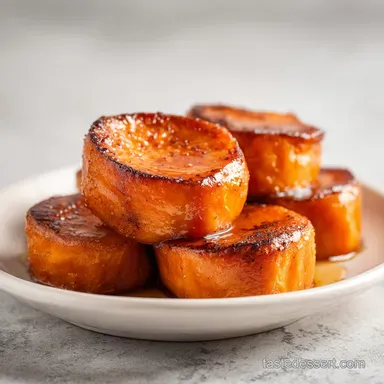
Melting Sweet Potatoes: Oven Baked
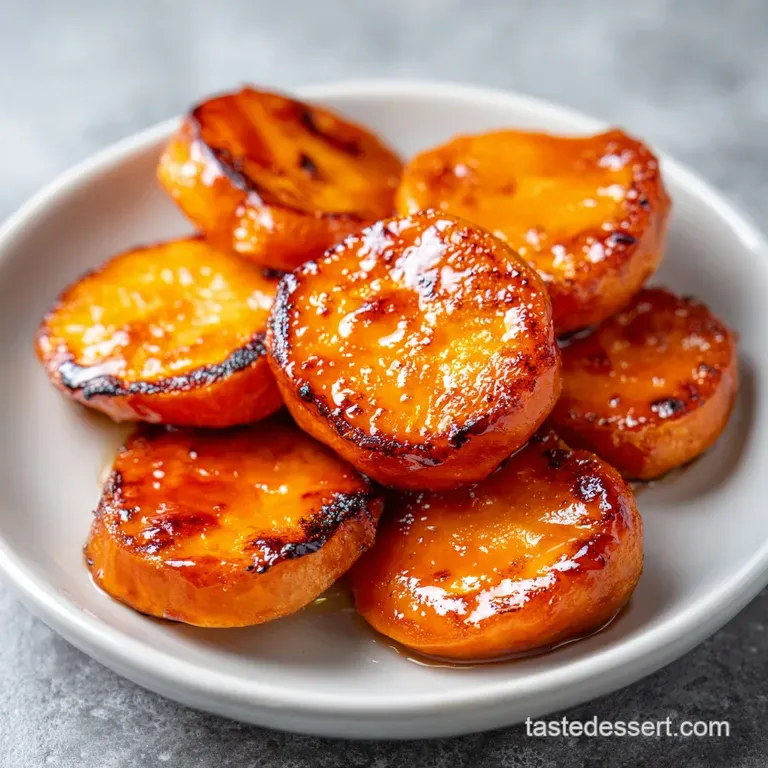
- Time:10 minutes active + 50 minutes roasting = Total 60 minutes
- Flavor/Texture Hook: Mahogany brown edges with a velvety, syrupy center
- Perfect for: Holiday side dishes or a decadent steak night accompaniment
- Melting Sweet Potatoes That Actually Melt
- Why This Side Steals The Show
- Component Analysis
- Everything You Need
- The Right Gear
- Step By Step Guide
- Solving Common Potato Problems
- Troubleshooting Common Issues
- Fun Ways To Mix It Up
- Keeping Leftovers Fresh
- Serving Your Sweet Potato Feast
- Recipe FAQs
- 📝 Recipe Card
Melting Sweet Potatoes That Actually Melt
Imagine the smell of toasted garlic and maple syrup bubbling in a hot cast iron pan. That deep, sugary aroma fills the kitchen, signaling that the potatoes have moved past just being "cooked" and have entered that magical stage of caramelization.
It is a scent that makes everyone in the house wander into the kitchen asking, "What is that?"
I used to struggle with this dish. I'd either end up with slices that were burnt on the outside but still had a raw, crunchy core, or I'd try to braise them from the start and end up with a soggy, orange mush. The problem is that sweet potatoes are dense.
If you don't sear them first to lock in the structure and then introduce moisture to soften the starches, you never get that specific "melting" texture.
This recipe is the fix. By roasting them at a high temperature first, we create a mahogany crust. Then, by adding a maple garlic glaze, we create a mini oven inside the pan that steams the centers into a velvety puree. It's the difference between a standard baked potato and something that feels genuinely indulgent.
Why This Side Steals The Show
You might be wondering why we don't just roast the potatoes with the glaze from the start. I've tried it, and trust me, it's a disaster. The sugars in the maple syrup burn long before the potato is soft. By splitting the process, we get the best of both worlds: the sizzle of a sear and the softness of a slow braise.
Right then, let's talk about why this particular method works so well. It's all about managing moisture and heat. When the potatoes hit that 425°F cast iron, the water on the surface evaporates quickly, allowing the natural sugars to brown.
Once we add the broth and syrup, the pan becomes a poaching liquid that forces flavor into the heart of the potato.
It's a decadent result that feels like it took hours, but since the oven does all the heavy lifting, it's actually quite easy. Whether you're serving these for a big family dinner or just treating yourself on a Tuesday, they bring a level of richness that transforms a simple root vegetable into the star of the plate.
What Makes Them So Soft
Over High heat Sear: The initial roast creates a structural crust that prevents the potato from falling apart during the braise.
Liquid Braising: The vegetable broth and maple syrup create steam, which breaks down the tough cell walls in the center.
Sugar Reduction: As the liquid evaporates, the syrup thickens and glazes the potatoes, creating a velvety coating.
| Method | Time | Texture | Best For |
|---|---|---|---|
| Oven Baked | 60 mins | Velvety & Crispy | Large crowds, holiday meals |
| Stovetop | 30 mins | Soft & Sautéed | Quick weeknight sides |
| Slow Cooker | 4 hrs | Mushy/Uniform | Set and forget meal prep |
Component Analysis
I've found that the quality of your ingredients really shows up here. Since there are so few components, each one needs to pull its weight. I always go for the orange fleshed Jewel or Garnet sweet potatoes because they have the right balance of sugar and starch for this specific "melt."
Ingredient Deep Dive
| Ingredient | Science Role | Pro Secret |
|---|---|---|
| Sweet Potatoes | Main Structure | Slice them to exactly 1 inch for even cooking |
| Maple Syrup | Flavor & Glaze | Use Grade A Dark for a more decadent, bold taste |
| Vegetable Broth | Moisture Source | Low sodium is key so the salt doesn't overpower |
| Garlic | Aromatic Base | Mince it fine so it melts into the syrup |
Everything You Need
Don't bother with low-fat substitutes here. This is a dish about indulgence and texture. If you're looking for a way to make it feel a bit more balanced, pair it with something acidic or green, like a crisp arugula salad.
- 3 lbs sweet potatoes, peeled and sliced into 1 inch rounds Why this? Uniform thickness ensures every slice melts at the same time
- 3 tbsp extra virgin olive oil Why this? High smoke point for that initial over high heat sear
- 1 tsp sea salt Why this? Enhances the natural sweetness of the tubers
- ½ tsp freshly cracked black pepper Why this? Adds a subtle heat to cut through the syrup
- ½ cup low sodium vegetable broth Why this? Provides the steam needed for the "melting" effect
- 2 tbsp pure maple syrup Why this? Creates the mahogany glaze and rich aroma
- 3 cloves garlic, minced Why this? Adds a savory punch to balance the sugar
- 1 tbsp fresh parsley, chopped Why this? Freshness to brighten the decadent finish
Ingredient Swaps
| Original Ingredient | Substitute | Why It Works |
|---|---|---|
| Olive Oil (3 tbsp) | Melted Butter (3 tbsp) | Richer, nuttier flavor. Note: Watch for burning as butter smokes faster |
| Maple Syrup (2 tbsp) | Honey (2 tbsp) | Similar sweetness. Note: More floral notes and slightly thicker consistency |
| Vegetable Broth (½ cup) | Water + pinch of salt (½ cup) | Provides moisture. Note: Lacks the savory depth of broth |
| Parsley (1 tbsp) | Fresh Thyme (1 tbsp) | Earthy, woody aroma. Note: Pairs wonderfully with the maple syrup |
The Right Gear
You can use a baking sheet, but I strongly recommend a 12 inch cast iron skillet. The cast iron holds heat far better than a thin aluminum tray, which is what gives you those shatter crisp edges during the first roast.
If you don't have cast iron, a heavy bottomed stainless steel oven safe pan will work. Just avoid non stick pans in the oven, as the high heat can damage the coating and you won't get that deep caramelization. I also suggest using a sharp chef's knife or a mandoline to get those slices perfectly even.
Step by step Guide
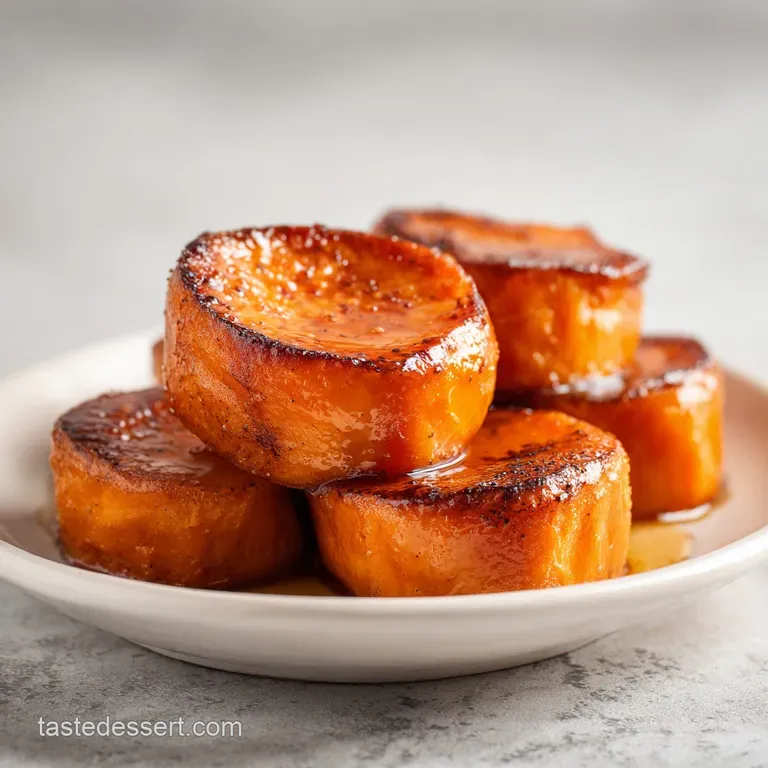
Right then, let's get to it. The key here is patience during the first roast. Don't rush the browning process, or you'll miss out on that deep, savory flavor.
- Preheat the oven to 425°F (218°C). Note: Ensure your oven is fully preheated so the potatoes sizzle immediately
- In a large bowl, toss the sliced sweet potatoes with olive oil, salt, and pepper until evenly coated.
- Arrange the potato slices in a single layer in a 12 inch cast iron skillet. Note: Do not crowd them, or they will steam instead of sear
- Roast for 20–25 minutes, flipping each slice once halfway through, until the edges are deeply caramelized and mahogany colored.
- Whisk together the low sodium vegetable broth, pure maple syrup, and minced garlic.
- Pour the glaze mixture directly into the skillet around and over the potatoes. Note: You'll hear a loud sizzle as the liquid hits the hot iron
- Return the pan to the oven for another 20–25 minutes until the liquid reduces into a syrupy glaze and the centers of the potatoes are velvety and soft.
- Garnish with chopped fresh parsley before serving.
Chef's Tip: To get an even deeper flavor, try adding a tiny pinch of cinnamon or a dash of espresso powder to the glaze. It doesn't make it taste like coffee, but it adds a dark, complex note that makes the maple syrup taste more intense.
Solving Common Potato Problems
Even with a solid plan, sometimes things go sideways. Usually, it comes down to the thickness of the slices or the temperature of your oven. If your potatoes are still firm, they probably weren't sliced thin enough or the broth evaporated too quickly.
Troubleshooting Common Issues
| Issue | Solution |
|---|---|
| Why the centers stay firm | If the middle isn't "melting," you likely have slices that are too thick. A 1.5 inch slice takes significantly longer to soften than a 1 inch slice. Also, check that you didn't skip the broth; the liq |
| Why the glaze burns | This happens if your oven runs hot or if you use too much honey instead of maple syrup. If you see the edges turning black rather than mahogany, lower your oven temperature by 25°F for the second roas |
| Why they feel soggy | Sogginess happens when the potatoes are crowded in the pan. If they are touching too much during the first roast, they release steam and boil rather than sear. Give them space to breathe! |
Common Mistakes Checklist:
- ✓ Did you slice the potatoes to a uniform 1 inch thickness?
- ✓ Is there enough space between slices in the skillet?
- ✓ Did you wait for the mahogany color before adding the liquid?
- ✓ Is the glaze reduced to a syrup rather than a soup?
- ✓ Did you flip the potatoes halfway through the first roast?
Fun Ways To Mix It Up
Once you've mastered the basic melting sweet potatoes recipe, you can start playing with the flavors. I love changing the glaze depending on what I'm serving them with. For a more savory, garlic herb melting sweet potatoes version, swap the maple syrup for a tablespoon of melted butter and a teaspoon of dried rosemary.
If you want something even richer, try topping these with my Honey Butter Recipe right before serving. The whipped honey butter melts into the crevices of the roasted potatoes, adding a layer of creamy decadence that is absolutely wonderful.
For those who want a spicy twist, add a pinch of cayenne pepper or a drizzle of sriracha to the broth mixture. The heat cuts through the sweetness of the potato and maple, creating a complex flavor profile that works great as a side for grilled pork chops.
If you're making these vegan, this recipe is already plant based, but you can use coconut aminos instead of broth for an extra umami kick.
Keeping Leftovers Fresh
These hold up surprisingly well, but the texture does change. The "melt" is most prominent when they are hot from the oven. Once they cool, the starches set, and they become more like a traditional roasted potato.
Storage Guidelines: Store any leftovers in an airtight container in the fridge for up to 4 days. To reheat, I suggest using a skillet over medium heat with a splash of water or broth to loosen the glaze. Avoid the microwave if you can, as it can make them rubbery.
For the freezer, you can store them for up to 2 months, though the texture will be softer upon reheating.
Zero Waste Tips: Don't throw away the potato peels! Toss them in a bit of oil and salt, then roast them at 400°F for 10 minutes to make crispy sweet potato skins.
Also, if you have leftover glaze in the pan, drizzle it over a piece of grilled salmon or roasted Brussels sprouts for an instant flavor boost.
Serving Your Sweet Potato Feast
The presentation of this dish is half the fun. Because they are sliced into rounds, they look beautiful stacked in a small pile on the plate, with the syrupy glaze dripping down the sides.
For a truly cozy winter meal, I love pairing these with a bowl of Potato Leek Soup. The saltiness of the leeks and the creaminess of the soup balance the sweetness of the potatoes perfectly. If you're serving them as a side for steak, the mahogany crust of the potatoes mirrors the sear of the meat, making for a visually stunning and flavorful plate.
Right then, you're all set. Just remember to watch for that mahogany color and let the glaze reduce until it's thick and glossy. Your guests will be wondering how you got them so velvety, but your secret will be the two stage roast. Enjoy!
Recipe FAQs
How to achieve the melting texture?
Slice potatoes into exactly 1-inch rounds. This specific thickness ensures the edges caramelize while the centers become velvety and soft during the two-stage roasting process.
Why are my sweet potato centers still firm?
Your slices are likely too thick. Slices larger than 1 inch take significantly longer to soften, and skipping the vegetable broth removes the necessary moisture for the "melting" effect.
Is it true a baking sheet works just as well as a cast iron skillet?
No, this is a common misconception. A cast iron skillet retains superior heat, which is essential for achieving mahogany-colored edges and properly reducing the glaze into a syrup.
How to prevent the glaze from burning?
Lower the oven temperature by 25°F for the second roast. This adjustment prevents the maple syrup from scorching if your oven runs hot or if you notice edges turning black.
Can I substitute the vegetable broth for water?
No, avoid using plain water. The broth provides critical savory depth; if you enjoy balancing rich, savory notes with sweetness, see how we apply a similar flavor profile in our Japanese curry.
How to ensure the potatoes caramelize instead of steaming?
Arrange the slices in a single layer. Do not crowd the skillet, as this allows moisture to evaporate quickly so the olive oil can sear the potatoes properly.
How long can I store these leftovers?
Keep them in an airtight container for up to 4 days. Reheat them in the oven or an air fryer to restore the caramelized texture of the glaze.
Melting Sweet Potatoes for 8 Servings